Cabin Living: The Real Guide to Rustic Life
Cabin living has grown more complex with the lifestyle blogs and reality TV shows flying around. As someone who actually lives in a cabin year-round — not a vacation rental, not a weekend place, but a 1,200-square-foot log home that I heat with wood, maintain with my own hands, and occasionally curse when the pipes freeze in January — I figured out how to handle what this lifestyle actually looks like past the Instagram filter. Today, I will share it all with you.
Types of Cabins
Not all cabins are created equal, and the type you choose shapes every aspect of the experience.
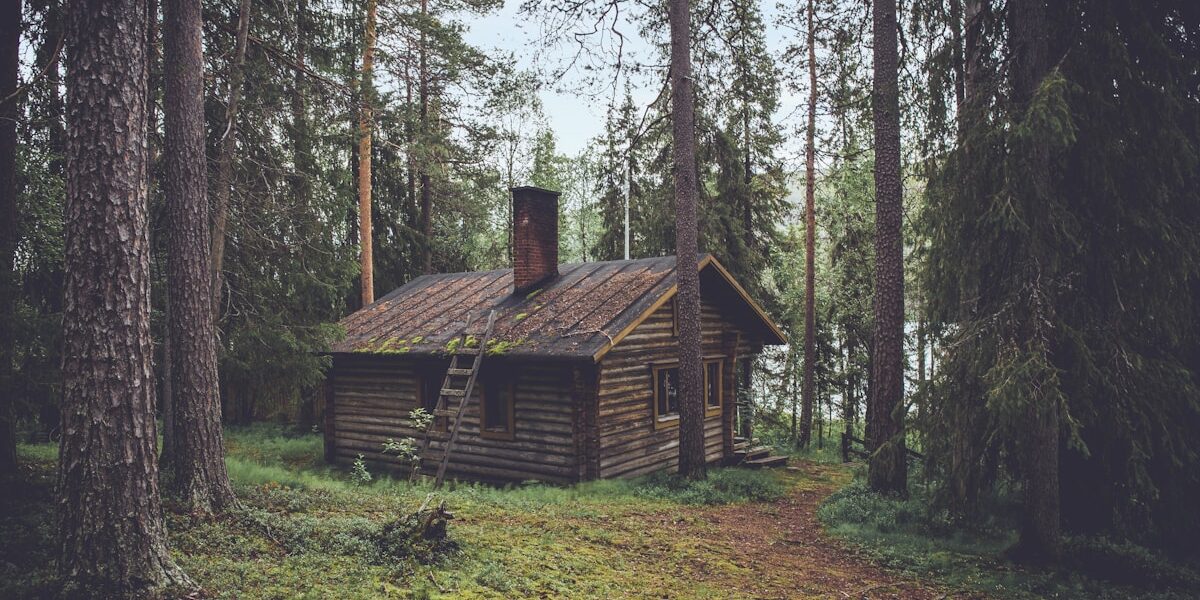
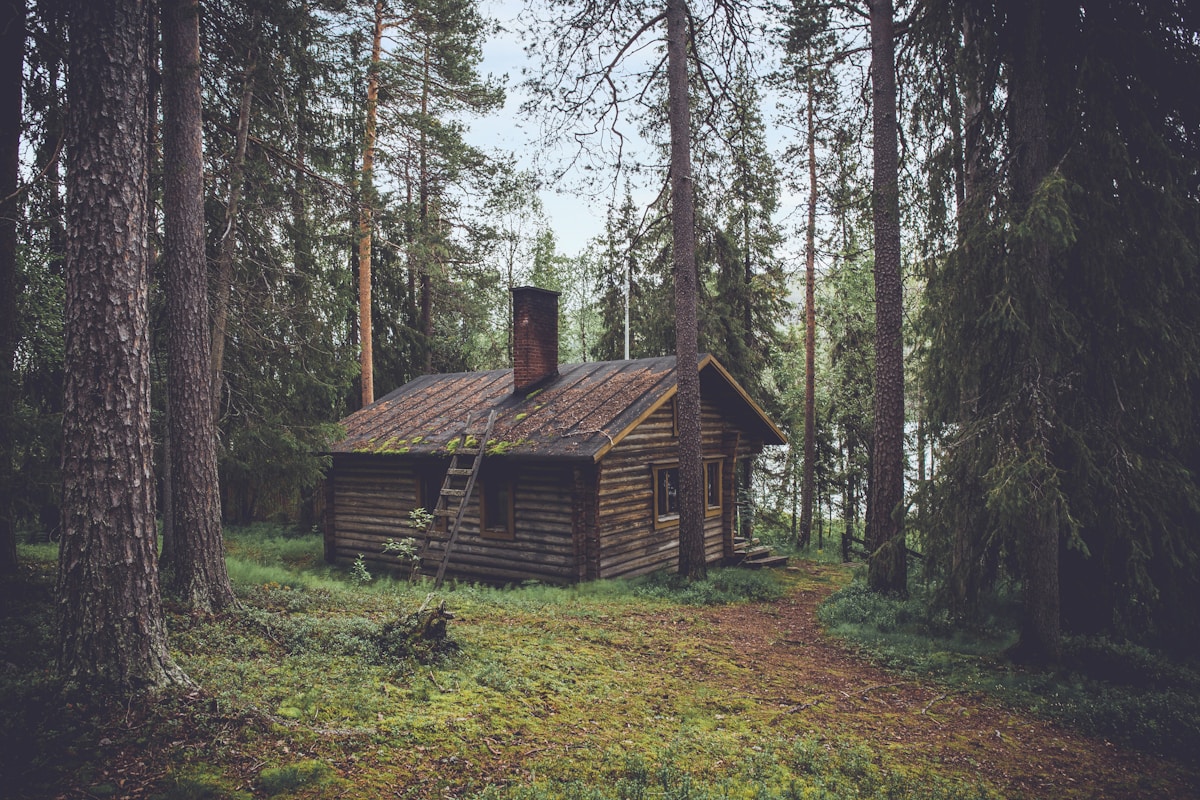
- Log Cabins: The classic. Stacked logs, notched corners, the whole picture. They’re durable and the walls provide genuine insulation thanks to the thermal mass of solid wood. Ours is white pine, and on a zero-degree night the interior walls are still warm to the touch. That’s not poetry, that’s physics.
- A-Frame Cabins: That steep triangular roof handles snow load beautifully and the interior has a dramatic vertical feel. The tradeoff is limited usable floor space along the angled walls. Great for weekend cabins, tricky for full-time living unless you don’t own much furniture.
- Modular Cabins: Factory-built sections assembled on site. Faster construction, consistent quality, and they can look surprisingly traditional once the siding goes on. A neighbor got one delivered and assembled in four days. I was jealous — our build took six months.
- Mobile Cabins: Built on trailers for portability. These appeal to people who want the cabin experience without committing to one piece of land forever. They’re smaller by necessity but some of the designs are genuinely clever with their use of space.
Building Your Own Cabin
Probably should have led with this material, openly, because the building phase determines everything that follows. Location comes first — you need road access, a water source, and ideally some south-facing exposure for solar gain in winter. We chose our site because of a spring-fed creek, a southern slope, and a county road that gets plowed. Those three things have made year-round living possible.
Foundation choices matter more than people realize. We went with a full perimeter foundation with a crawl space, which cost more than piers but gives us access to plumbing and keeps the floor warmer. The framing — or in our case, the log stacking — is the exciting part but it’s also the shortest phase. Insulation is where you invest in comfort. We used spray foam in the roof and wool batts in any framed walls. Windows are double-pane minimum; triple-pane if you can afford it. Every gap and crack you seal now is a draft you don’t fight later.
Essential Amenities
Modern cabin living doesn’t mean roughing it. Here’s what we have and what I’d recommend prioritizing:
- Water Supply: We’re on a drilled well, 180 feet deep, with a pressure tank in the crawl space. The water is excellent — cold, clean, no treatment needed. If a well isn’t feasible, rainwater harvesting with proper filtration works for many cabin owners. Municipal water is the easiest option if it’s available.
- Sewage: Septic system, professionally installed and inspected. Gets pumped every three years. A composting toilet is the alternative for very small or remote cabins, and they’ve gotten much better than they used to be. No smell if maintained properly.
- Electricity: We’re grid-connected, which makes life significantly easier. Solar is viable and I know several cabin owners who are fully off-grid with panels and battery banks. The upfront cost is steep but the monthly power bill is zero, forever.
- Heating: Our primary heat is a woodstove — a Jotul F400, which heats the whole cabin comfortably as long as I feed it every four to five hours. We have electric baseboard as backup for when we’re away. A fireplace looks romantic but throws about a quarter of the heat of a good stove.
- Internet: Starlink changed the game for rural cabin living. We had a hotspot for two years that barely loaded email. Now we stream, video call, and work remotely without issues. The monthly cost isn’t cheap but the capability is transformative.
Interior Design Tips
I’m apparently a “less is more” person and open shelving works for me while closed cabinets in a cabin never feel right — they hide the stuff you use most and make the space feel more like a kitchen showroom than a home. Wood and stone are your primary materials inside. Use them everywhere and the cabin feels cohesive. Introduce too many modern materials — stainless steel, glass, synthetic surfaces — and you lose the atmosphere that makes a cabin a cabin.
Built-in storage is critical, especially in small cabins where floor space is precious. Window seats with storage underneath, built-in bookshelves flanking the fireplace, overhead loft storage for seasonal items. Light matters enormously — big windows and a skylight or two keep the space from feeling dark. Our south-facing picture window heats the living room on sunny winter days by two or three degrees, which is passive solar at its simplest.
Off-Grid Living
We’re not fully off-grid but we’ve adopted enough off-grid practices to appreciate the appeal and understand the challenges. Growing a kitchen garden provides herbs, tomatoes, peppers, and greens from May through October. We raise four chickens for eggs, which is exactly the right number — enough for breakfast, not so many that it becomes a second job. A small greenhouse extends the growing season by about six weeks on each end.
The real challenge of off-grid is energy storage. Solar panels produce power when the sun shines, but you need it at night and on cloudy days. Battery systems handle this but they’re expensive and have a finite lifespan. Propane serves as backup for many off-gridders — running a generator, a stove, and a tankless water heater. The self-sufficiency is satisfying but it requires constant attention. Nothing runs itself when you’re off-grid. Everything requires a decision.
Seasonal Considerations
Winter is the real test of cabin living. Heating is the primary concern and you cannot have too much firewood. We burn four cords a year and I start splitting the following year’s supply in March. The roof needs to handle snow load — ours is rated for 60 pounds per square foot. I still shovel it after particularly heavy storms because I’m cautious. Pipes that run through unheated spaces need heat tape or they will freeze. We learned this the hard way in our first winter when the bathroom supply line froze at 3 AM. That experience cost $400 in plumber fees and taught me more than any book could.
Spring is repair season. Walk the property, check the roof, inspect the foundation, clean the chimney. Summer is improvement season — tackle the projects that require warm weather, like staining the exterior or repairing the deck. Fall is preparation — stack firewood, seal windows, clean gutters, and make sure the heating system is ready. This seasonal rhythm becomes second nature after a year or two and honestly, I find it grounding. There’s always something to do and it always matters.
Wildlife and Cabin Living
Living in a cabin means living with wildlife, not just near it. Bears are the headline concern in our area — we keep garbage in a locked shed and never leave food scraps outside. Mice are the actual daily challenge. They find gaps you didn’t know existed and set up shop in your walls if given half a chance. Steel wool in every gap and a couple of snap traps in the crawl space handle it, but it’s an ongoing effort, not a one-time fix.
Bird feeders attract songbirds all year round and they’re endlessly entertaining through the kitchen window. Deer wander through the yard most evenings. A fox lives somewhere nearby and we see it crossing the meadow at dawn occasionally. That’s what makes cabin living endearing to us nature lovers — the wildlife isn’t a spectacle, it’s just your neighbors going about their day.
Cabin Culture and Community
Rural cabin communities are tighter than suburban neighborhoods in my experience. Our closest neighbor is a quarter mile away and I know him better than I ever knew the person next door in town. People help each other out here because the alternative is calling someone from an hour away. When our well pump died, three neighbors showed up with tools before the plumber could schedule a visit. We returned the favor when a windstorm took out one of their trees across the driveway.
Local traditions — community potlucks, volunteer fire department events, the annual woodcutting day where everyone helps the older folks stock firewood — build connections that feel different from city friendships. They’re less frequent but they run deeper. The history of cabin living in these communities goes back generations, and the old-timers have skills and knowledge that no YouTube video can replicate.
Cabin Rentals and Vacation Stays
Before committing to cabin life, rent one for a week in the off-season. Not summer when everything is green and easy, but February when the road might not be plowed and the nearest grocery store is a 40-minute drive. If you still love it after a week of hauling firewood and checking the weather forecast every morning, you might be cabin material. Platforms like Airbnb and VRBO have thousands of options, from basic to luxurious. Try a few different styles before deciding what fits your life.
Maintaining Your Cabin
Maintenance on a log cabin is not optional and it’s not occasional — it’s a lifestyle commitment. Exterior logs need re-staining every three to five years. The roof gets inspected annually. Chimneys get swept every fall, period, no exceptions — creosote buildup causes chimney fires, and a chimney fire in a log building is the worst-case scenario. Gutters get cleared twice a year. The foundation gets checked for moisture intrusion. Interior wood gets cleaned and sometimes treated. It sounds like a lot, and it is, but each task takes a few hours and the house rewards the effort by looking and performing better each year.
Financial Considerations
Owning a cabin is cheaper than a suburban house in some ways and more expensive in others. Property prices are lower in rural areas, property taxes are usually lower, and utility costs can be minimal if you’re efficient about heating and power. But maintenance costs are higher — log homes simply require more upkeep than vinyl-sided houses. Insurance can be pricier due to the remote location and the difficulty of fire department access. And if you’re renting the cabin out when you’re not using it, the income can offset costs significantly but introduces its own headaches: property management, cleaning between guests, wear and tear, and dealing with people who don’t treat your home the way you do.
The honest financial picture is that cabin living is affordable if you’re willing to do your own maintenance, heat efficiently, and live within the means that a rural lifestyle allows. It’s expensive if you expect the same convenience as suburban living and hire out every task. Most cabin owners fall somewhere in between, and they’ll tell you the tradeoffs are worth it.


Stay in the loop
Get the latest rustic cabin world updates delivered to your inbox.