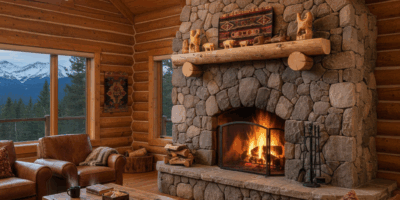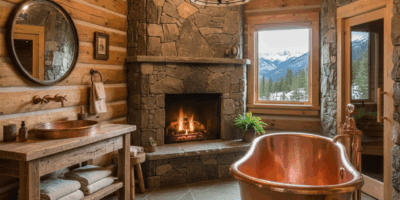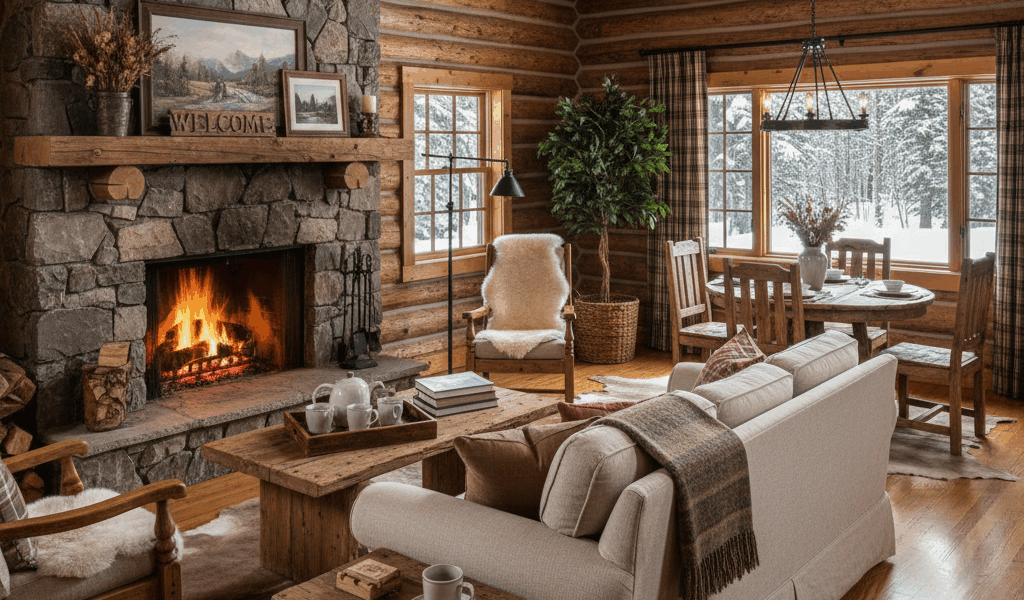
As someone who agonized over this decision for two years, I get it. Your log cabin sits empty most of the year while mortgage payments, property taxes, and maintenance costs pile up regardless of whether you’re there. Short-term rental platforms like Airbnb offer a way to offset these expenses—sometimes generating real income—but the decision to rent out your cabin involves trade-offs that deserve honest consideration before you create that listing.
I learned everything the hard way. Here’s what I wish someone had told me upfront.
The Financial Reality
Log cabins in desirable locations command premium nightly rates. The rustic aesthetic, often combined with scenic settings, creates the “experience” that drives vacation rental pricing. Cabins that might rent for $150 nightly as conventional properties can fetch $250 or more with authentic log charm and proper presentation.
Figuring out the math for your specific situation has gotten complicated with all the fees and variables involved now. Calculate your annual carrying costs—mortgage, taxes, insurance, utilities, maintenance. Research comparable listings in your area to estimate realistic nightly rates and occupancy. A cabin commanding $200 per night with 50% occupancy generates roughly $36,000 annually before expenses. That income can transform a financial burden into something manageable.
But expenses are real and they add up fast. Cleaning between guests, supplies, platform fees, property management if you use it, increased utility consumption, accelerated wear, and additional insurance requirements all reduce net income. The profit margin is narrower than gross rates suggest. Probably should have led with this: the numbers that look exciting on a spreadsheet get smaller once you’re actually running the operation.
What Rental Does to Your Cabin
This is where many owners—myself included—underestimate the impact. Guests don’t abuse your cabin intentionally, but their use pattern differs fundamentally from yours. They cram vacation activities into limited days. They arrive with groups of varying sizes and ages. They may not know how your particular systems work. They’re not invested in long-term care the way you are.
Wear accelerates dramatically. Floors see more traffic in one rental season than years of owner use. Furniture takes more punishment. Appliances run harder. Plumbing handles more volume. Even careful guests create wear that accumulates faster than owner-only use would produce. That’s what makes this decision so difficult for those of us who genuinely love our cabins.
Damage happens. Most is minor—broken glasses, scratched surfaces, stained linens. Occasionally it’s significant—furniture broken by rough use, appliances destroyed by misuse, surfaces damaged by spills that weren’t cleaned properly. Security deposits help, but they rarely cover everything. I once had a guest leave a cast iron pan on a hot burner for hours. The smoke damage took months to fully address.
Character changes. The cabin you designed to reflect your family’s personality must now appeal to strangers. Personal items need securing or removing. Valuable antiques should go elsewhere. What remains becomes more generic—functional rather than personal. That’s what makes this trade-off endearing to some owners and unbearable for others. It’s a real change in how the space feels, and it’s one you should consider carefully.
Protecting Your Investment
Smart rental strategies minimize damage while maximizing income. These practices help preserve what makes your cabin special while generating returns. I wish I’d implemented all of these from day one.
Screen guests carefully. Platforms provide reviews from previous hosts. Prioritize guests with established positive histories over first-time renters. Ask about group composition and trip purpose before accepting bookings. Trust your instincts when something feels off—I’ve declined bookings that felt wrong and never regretted it.
Set appropriate minimums. Single-night stays generate maximum turnover, cleaning, and wear. Requiring two or three-night minimums reduces these issues while potentially attracting more responsible guests planning actual getaways rather than party venues. The “bachelor party” inquiry is a red flag you’ll learn to recognize quickly.
Furnish for durability. That antique quilt from your grandmother belongs in storage, not on the guest bed. Replace irreplaceable items with quality reproductions. Choose furniture that handles abuse—leather rather than delicate fabric, sturdy frames rather than delicate antiques. The cabin can remain charming without being fragile.
Create detailed house rules and guest guides. Explain how your specific systems work—the wood stove quirks, the sensitive septic system, the well pump limitations. Guests who understand constraints usually respect them. My house manual runs twelve pages and guests consistently thank me for it.
Inspect between guests. Either you or a trusted local should verify condition after each stay. Problems caught immediately can be addressed with departing guests; problems discovered weeks later become your problem entirely.
Insurance and Legal Considerations
Standard homeowner’s insurance typically excludes short-term rental activity. You need specific coverage—either a commercial policy or a rider that explicitly covers rental use. Operating without proper insurance invites catastrophic exposure if anything goes seriously wrong. Don’t learn this lesson the hard way.
Local regulations vary enormously and have gotten more complex over the years. Some jurisdictions welcome vacation rentals; others prohibit or heavily restrict them. Research requirements for permits, licenses, occupancy taxes, safety inspections, and other compliance obligations before listing. Ignoring regulations risks fines and forced closure.
HOA rules may prohibit rentals even where local law allows them. Review all covenants and restrictions carefully before you invest time in setting everything up.
Management Options
Self-management maximizes income but demands significant time. You’ll field inquiries, coordinate bookings, arrange cleaning, handle problems, and manage the constant communication that rental guests expect. If your cabin is local, this is manageable. If you’re hours away like I am, it’s exhausting.
Property managers handle these burdens for fees typically ranging from 20-35% of rental income. Good managers earn their fees through professional service that generates better reviews, higher occupancy, and fewer problems. Bad managers create headaches while reducing your income. Choose carefully and monitor results. I went through two managers before finding one I trusted.
Is It Worth It?
The answer depends entirely on your priorities. If offsetting costs matters most and you can accept the trade-offs, rental income can be substantial. If the cabin exists primarily as your personal retreat, rental complications may not be worth the money.
Consider starting slowly. Rent a few weekends and assess the experience before committing fully. Some owners discover they enjoy hosting and the cabin performs well. Others learn quickly that the income doesn’t compensate for the hassle and the changed relationship with their space.
Your cabin should serve your goals—financial, recreational, emotional. Rental income is one tool for achieving those goals, but it’s not the only consideration. Sometimes keeping a space entirely your own is worth more than the income you’d generate by sharing it.