This article contains affiliate links. We may earn a commission at no extra cost to you.
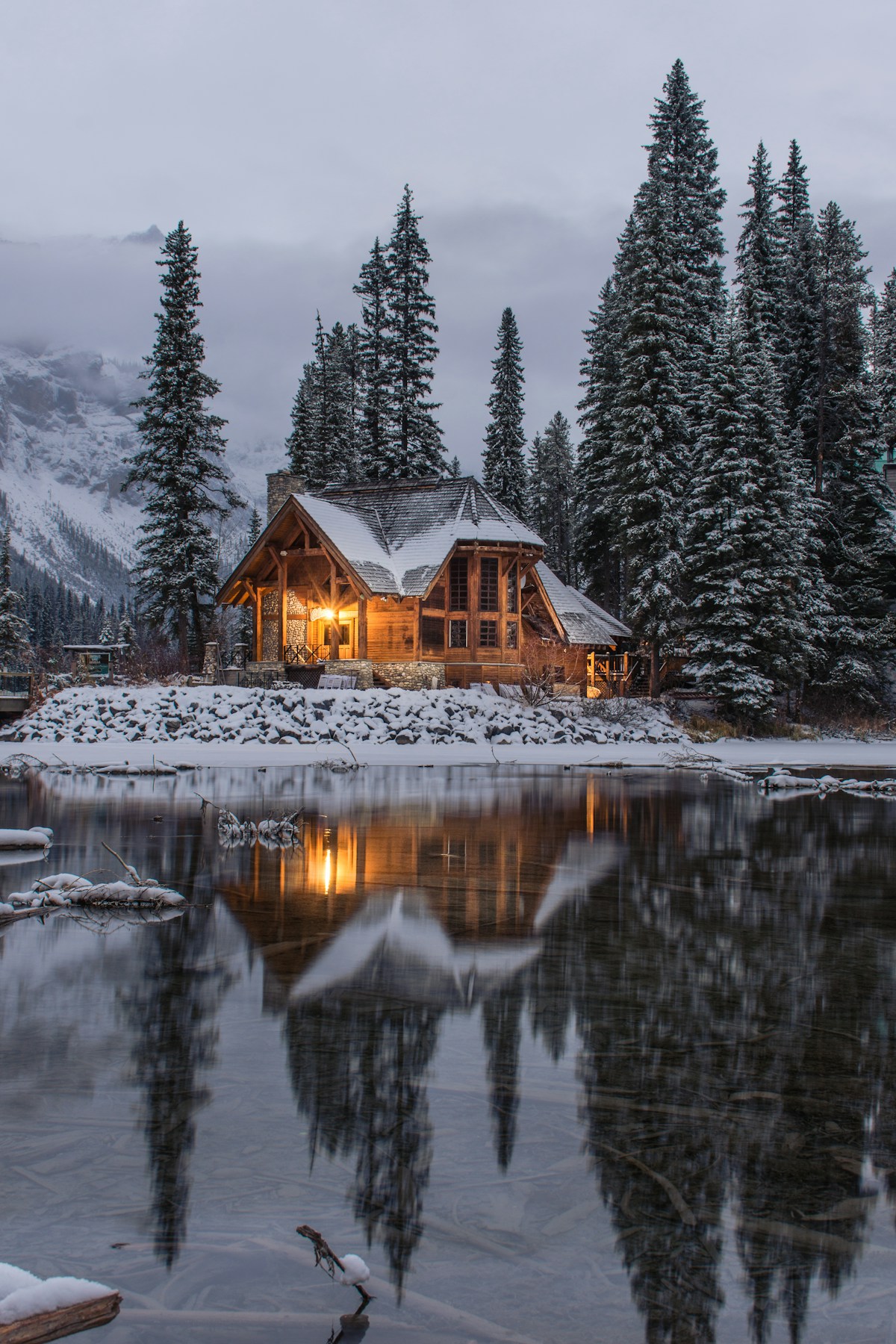
As someone who looked at over a dozen properties before finally pulling the trigger, I learned everything there is to know about cabin site selection — mostly through the mistakes I almost made. Where you put your cabin matters more than almost any other decision in the entire project. Get the site wrong and even the most beautiful build becomes a headache.
Key Site Considerations
Access and Road Conditions
This is the one that catches people off guard. That gorgeous remote property looks incredible on a sunny August afternoon, but can you actually reach it in February? Year-round access matters unless you’re genuinely comfortable being snowed in — and I mean for weeks, not as a romantic weekend idea. Factor in road maintenance costs too. A private road that needs regular grading and snow removal adds real ongoing expense. And think about emergency services — how far are the nearest fire department and hospital? These questions aren’t fun, but they matter.
Water and Utilities
Figure out your water source early. Well, spring, or municipal — each has different costs and reliability. We went with a well and it’s been solid, but drilling isn’t cheap and there’s always a small gamble on flow rate until the drilling is done. Check what’s available for electricity; running power lines to a remote site can cost a staggering amount. Septic requirements vary by county and soil type. Off-grid is doable and increasingly practical, but don’t underestimate the planning involved.
Terrain and Orientation
South-facing slopes are your best friend for passive solar gain — free heating in winter. Avoid flood zones entirely; no view is worth water in your cabin every spring. Gentle slopes help with drainage while flat areas simplify construction and foundation work. We picked a slight south-facing slope and it makes a noticeable difference in winter heating costs compared to a neighbor’s north-facing site.
Essential Cabin Planning Resources
Protect your cabin investment with proper wood care. Minwax Helmsman Spar Urethane provides superior UV and water protection for exterior wood surfaces that withstand the elements.
Building Tips
Plan for the worst your climate can throw at you, not the average. Choose materials rated for your conditions. And please, research local building codes and permit requirements before you buy the land — I’ve heard too many stories of people purchasing a beautiful lot only to discover they can’t build what they want on it.
Environmental Factors
Study which direction the wind usually blows before you decide where the chimney goes — unless you enjoy smoke blowing back into the cabin. Note your tree coverage for natural shade in summer and wind protection in winter. Pay attention to wildlife patterns; a game trail running through your future front yard is charming until it’s 3 AM and a bear is on your porch. And understand natural drainage patterns. Where does the water go during heavy rain? If the answer is “toward your foundation,” keep looking.
Legal Considerations
Verify that zoning actually allows residential construction on your parcel. Check for easements, right-of-way issues, or mineral rights that belong to someone else. Understand setback requirements from property lines and water sources. None of this is exciting work, but skipping it can result in problems that make your dream cabin legally unbuildable. A few hundred dollars in legal research upfront saves potentially tens of thousands later.


Stay in the loop
Get the latest rustic cabin world updates delivered to your inbox.