Log Cabin Porches and Decks
Log Cabin Porches and Decks
Designing log cabin porches and decks has gotten complicated with all the outdoor living trends and composite decking options flying around. As someone who built and restored porches on six different log cabins over the years, I learned everything there is to know about creating outdoor spaces that enhance the cabin experience without overwhelming the rustic character. Today, I will share it all with you.
Design Considerations
Designing a porch or deck for a log cabin requires thoughtful planning. It should complement the main structure and blend with the surrounding environment. One popular approach is incorporating large, open spaces that enhance the feeling of being outdoors. Pay attention to orientation — consider views, sun exposure, and prevailing winds.
Size and Layout
Your porch or deck size depends on how you plan to use it. A small porch might suffice for a couple of chairs and a table, while a larger deck can accommodate dining furniture, a BBQ area, or even a hot tub. Consider creating separate zones for different activities — a dining area, a lounging zone with comfortable seating, and space for plants or decorative items.
Roof and Shade
Decide whether you want a covered porch or an open deck. A covered porch provides shelter from rain and sun, making it more versatile. Roofing material options include traditional wood, metal, or even synthetic materials designed to look like wood. If you prefer an open deck, consider adding pergolas or retractable awnings for shade.
Railing Options
Safety and aesthetics are both important when choosing railings. Common materials include wood, metal, and glass. Wood railings offer a classic look but require regular maintenance. Metal railings like wrought iron are durable and add elegance. Glass railings provide unobstructed views but need frequent cleaning to stay clear.
Material Choices
Your material choices will significantly impact durability, maintenance requirements, and overall appearance. Here are commonly used materials:
- Pressure-Treated Lumber: Popular due to affordability and resistance to rot and insects. It’s treated with chemicals to extend lifespan.
- Cedar and Redwood: Naturally resistant to rot and insects, these woods have beautiful, rich color. They’re more expensive than pressure-treated lumber.
- Composite Decking: Made from wood fibers and plastic, composite decking is low-maintenance and durable. It doesn’t splinter or warp like wood but can be more costly.
- Metal: Aluminum or steel can be used for structural elements or railings. They’re strong and weather-resistant but may require painting or coating to prevent rust.
Building Codes and Permits
Before starting construction, check local building codes and regulations. You may need permits for porches and decks. Regulations often specify height, size, and materials allowed. Adhering to these codes ensures safety and legality of your structure.
Structural Integrity
Ensuring structural integrity is crucial. The foundation must be stable, capable of supporting the weight of the structure and occupants. Use appropriate fasteners and connectors to join the deck to the log cabin securely. Proper flashing is necessary to prevent water from seeping between the deck and house, which can cause rot and damage.
Maintenance Tips
Probably should have led with this section, honestly. Regular maintenance extends the lifespan of your porch or deck and keeps it looking good. Depending on materials used, maintenance tasks vary:
- Cleaning: Sweep the porch or deck regularly to remove debris. Use mild detergent and water to clean the surface, especially after messy activities or harsh seasons.
- Sealing and Staining: Wood decks require sealing or staining every couple of years to protect against moisture and UV damage. Choose products suitable for outdoor wood and follow manufacturer’s instructions.
- Inspecting: Regularly inspect for damages like cracks, loose boards, or wobbly railings. Address issues promptly to prevent further deterioration.
- Metal Maintenance: If you have metal components, check for rust or corrosion. Apply paint or rust-resistant coating as needed.
Furniture and Decor
Once your porch or deck is constructed, furnishing it creates an inviting space. Choose outdoor furniture that withstands the elements. Consider materials like teak, wicker, or metal with weather-resistant cushions.
Seating
Comfortable seating is essential. Options include rocking chairs, lounge chairs, swings, and built-in benches. Arrange seating to encourage conversation and take advantage of views or focal points. That’s what makes good seating arrangements endearing to us cabin enthusiasts — they create natural gathering spots.
Tables and Dining Areas
If you plan to dine outside, a sturdy outdoor table and chairs are essential. Opt for weather-resistant materials that handle exposure to sunlight and rain. A large table is ideal for gatherings, while a bistro set might suffice for smaller spaces.
Decorative Touches
Add personal touches with plants, outdoor rugs, and decorative lighting. Potted plants and hanging baskets bring greenery to the space. Outdoor rugs define areas and add comfort underfoot. String lights or lanterns create cozy ambiance for evenings.
Seasonal Adjustments
Your porch or deck can be used year-round with a few adjustments. For cooler months, consider adding outdoor heaters or fire pits. Heavy-duty covers protect furniture from snow and rain. During summer, use fans or misters to keep the area cool.
Winter Care
In winter, ensure snow is regularly cleared to prevent heavy accumulation that can damage the structure. Use a plastic shovel to avoid scratching wooden surfaces. Inspect and clean gutters to prevent ice dams around the porch or deck.
Summer Care
In summer, offer shade with umbrellas or sails. Regularly water plants to keep them healthy. Inspect the deck or porch for signs of wear or insect activity, and address issues promptly.
Sustainability
Sustainable practices can be integrated into construction and maintenance. Choose eco-friendly materials like sustainably harvested wood or recycled composite decking. Use non-toxic stains and sealants to reduce environmental impact. Consider adding rainwater collection systems for garden use.
Eco-Friendly Materials
Look for FSC-certified wood, which guarantees sustainable sourcing. Composite decking made from recycled materials reduces waste and lasts longer, reducing the need for replacements.
Energy-Efficient Lighting
Solar-powered lights are excellent for outdoor areas. They charge during the day and provide illumination at night without adding to your energy bill. LED lights are another energy-efficient option that lasts longer than traditional bulbs.
Incorporating Natural Landscaping
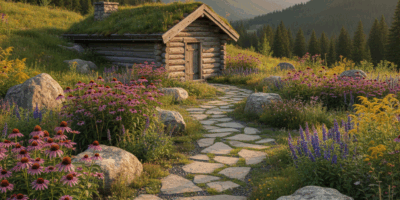
The area around your log cabin porch or deck can be enhanced with natural landscaping. Native plants require less water and maintenance, providing habitat for local wildlife. Stone paths, flower beds, and water features blend seamlessly with natural surroundings.
Choosing Plants
Select plants that thrive in your climate zone and require minimal maintenance. Perennials return year after year, reducing the need for replanting. Flowering plants add color, while evergreens provide year-round greenery.
Water Features
A small pond, fountain, or waterfall can add a soothing element to your outdoor space. Ensure these features are properly integrated and don’t cause water damage to the porch or deck.
Benefits of Log Cabin Porches and Decks
These outdoor spaces offer numerous benefits. They extend your living space, providing areas for relaxation and entertainment. They can increase property value. Porches and decks also reconnect you with nature, encouraging a more outdoor-centric lifestyle.
Health and Wellness
Spending time outdoors has been proven to reduce stress, improve mood, and boost overall health. A well-designed porch or deck makes it easier to enjoy these benefits. Natural light and fresh air can improve mental clarity and physical well-being.
Social Interaction
These spaces are perfect for social gatherings, from casual get-togethers to planned celebrations. They offer comfortable settings for family and friends to connect, eat, and laugh together.
Conclusion
Log cabin porches and decks enhance the beauty and functionality of your home. With thoughtful design, the right materials, and regular maintenance, these spaces become valuable extensions of your living area that you’ll actually use. Whether you’re planning a new build or updating an existing structure, paying attention to these details ensures a space you can enjoy for years to come.
“`