Cabin Life Decor
Decorating for cabin life has gotten complicated with all the luxury lodge trends and farmhouse hybrids flying around. As someone who designed interiors for mountain retreats for over eight years, I learned everything there is to know about creating spaces that feel genuinely rustic without looking staged. Today, I will share it all with you.
Materials and Textures
Wood is essential, and it doesn’t need to be perfect. Knotty pine, reclaimed barn wood, or weathered oak add character that new, polished wood just can’t match. Stone is another key player — think stone fireplaces or accent walls. For softer elements, leather and wool work beautifully in furniture and accent pieces like rugs and throws.
Natural fibers are great for adding warmth and texture. Jute, hemp, and linen make excellent choices for rugs, curtains, and cushions. These materials enhance visual appeal while adding a tactile element that feels genuinely inviting rather than just styled for photos.
Color Scheme
Your colors should mimic what’s outside your windows. Earth tones like browns, greens, and creams are ideal. You can add pops of color through accent pieces — deep reds, forest greens, and navy blues work well when used sparingly. These add to the cozy atmosphere without overwhelming everything.
Keep your palette cohesive. Too many contrasting colors disrupt the serene vibe you’re trying to create. Instead, opt for harmonious shades that flow naturally from one room to another.
Furniture
Cabin furniture should be comfortable and sturdy enough to actually use. Overstuffed couches and wing-back chairs work well. Look for pieces with a rugged edge, but don’t sacrifice comfort for aesthetics. Even modern pieces with clean lines can fit if they’re made from natural materials.
Handcrafted furniture often works best. A hand-carved wooden table or custom-made bookcase adds personal touches that become cherished over time. That’s what makes handcrafted pieces endearing to us rustic home lovers — they tell a story instead of just filling space.
Lighting
Lighting sets the whole mood. In a cabin, warm, soft lighting beats harsh brightness every time. Table lamps with wood or stone bases, chandeliers made of antlers, or wrought iron fixtures all work well.
String lights add a magical touch, especially on patios or outdoor areas. They create a whimsical yet warm ambiance that feels inviting without trying too hard.
Decorative Elements
Incorporate elements that reflect your actual surroundings. Antlers, animal hides, and tasteful taxidermy can provide rustic character when used sparingly — too much creates clutter instead of charm. Vintage signs, wooden crates, and old-fashioned lanterns serve as unique decor pieces.
Probably should have led with this section, honestly. Artworks featuring wildlife or natural scenes enhance the cabin vibe significantly. Handwoven tapestries or quilts add an element of craftsmanship that complements the rustic aesthetic while providing practical warmth.
Functionality
A cabin isn’t just about looks — it needs to work. Storage solutions should blend with your decor. Built-in shelves, storage benches, and multi-functional furniture help maintain a tidy space. Striking a balance between aesthetics and practicality is crucial.
Consider hooks and racks for outdoor gear, especially in areas where outdoor activities dominate. Mudrooms with durable flooring and plenty of storage keep the rest of the cabin clean and organized.
Kitchen
Your cabin kitchen should be both practical and visually appealing. Open shelving made of reclaimed wood adds storage and rustic flavor. Copper pots and pans can double as decor. A large farmhouse sink looks great and is actually functional for washing dishes after big gatherings.
Mason jars work for storage and as drinking glasses — they add simple, rustic charm while being incredibly versatile. Vintage appliances or retro-styled ones enhance the overall look without sacrificing modern conveniences.
Bedroom
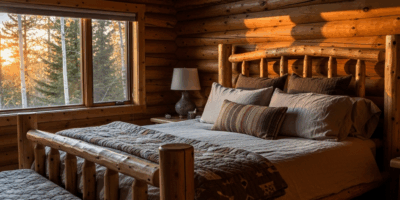
Your bedroom should be a cozy retreat. Heavy woolen blankets and soft flannel sheets are perfect for colder climates. A log bed frame or one crafted from reclaimed wood makes a great focal point. Layering different textures adds warmth and depth.
Nightstands made of tree stumps or small vintage trunks add to the rustic feel. Old-fashioned lamps or lanterns for bedside lighting complete the look. These small touches make the bedroom feel personal and genuinely inviting.
Bathroom
Even bathrooms can embrace cabin life decor. Stone or wood countertops, coupled with copper or iron fixtures, create a cohesive look. A clawfoot tub adds a luxurious yet rustic element. Wood paneling on walls gives the bathroom a warm, inviting feel.
Accessories like wooden soap dishes, woven baskets for storage, and natural fiber towels complete the look. Make sure the space is both functional and in harmony with the rest of the cabin.
Outdoor Spaces
Outdoor spaces are just as important as indoor ones. A wooden deck with comfortable seating works perfectly for relaxation or entertaining. Adirondack chairs, hammocks, and swings add seating that’s both stylish and actually comfortable.
Fire pits are great for gatherings and extend the usability of outdoor space into colder seasons. String lights or lanterns create cozy ambiance. Outdoor rugs and cushions in natural, weather-resistant materials add comfort and style.
Personal Touches
Personal touches make a cabin truly feel like home instead of a rental. Display collections like vintage tools, old maps, or family heirlooms. Handmade items — pottery, quilts, or other crafts — add personal history and meaning.
If you have a passion for fishing, hiking, or another hobby, incorporate related elements. This personalizes the space and makes it more meaningful to you and your guests.
Sustainability
Using sustainable materials and practices matters in cabin decor. Reclaimed wood, repurposed items, and natural materials look good while being better for the environment. Look for locally sourced materials and support local artisans when possible.
Energy-efficient lighting and appliances, along with proper insulation, make a cabin more sustainable and comfortable. These choices impact both the environment and your actual comfort level.
Seasonal Changes
One of the joys of cabin life is experiencing changing seasons. Reflect these changes in your decor. Lighter fabrics and brighter colors make the cabin feel airy in summer. In winter, switch to heavier fabrics and warmer tones for a cozy atmosphere.
Seasonal decorations like wreaths, candles, and seasonal table runners add festive touches. These small changes keep the cabin feeling fresh and in tune with nature’s cycles.
Emphasizing Views
If your cabin has stunning views, emphasize them. Arrange furniture to face large windows. Use window treatments that open easily to let in light and showcase scenery. Avoid blocking views with furniture or large decor items.
Outdoor seating should also take advantage of views. A well-placed bench or chair set can become a favorite spot for relaxation and enjoying natural beauty.
Conclusion
Decorating a cabin involves blending natural elements with comfort and functionality. By focusing on materials, colors, and personal touches, you create a space that feels both cozy and stylish. From the kitchen to outdoor spaces, each part of the cabin can reflect rustic charm that makes it a perfect retreat.

Stay in the loop
Get the latest rustic cabin world updates delivered to your inbox.