Log Cabin Dining Room: A Rustic Retreat
Creating a log cabin dining room has gotten complicated with all the modern farmhouse trends and industrial-rustic mashups flying around. As someone who designed and furnished three different cabin dining spaces over the past decade, I learned everything there is to know about making a dining room that feels genuinely rustic while still being functional for real meals. Today, I will share it all with you.
Materials and Textures
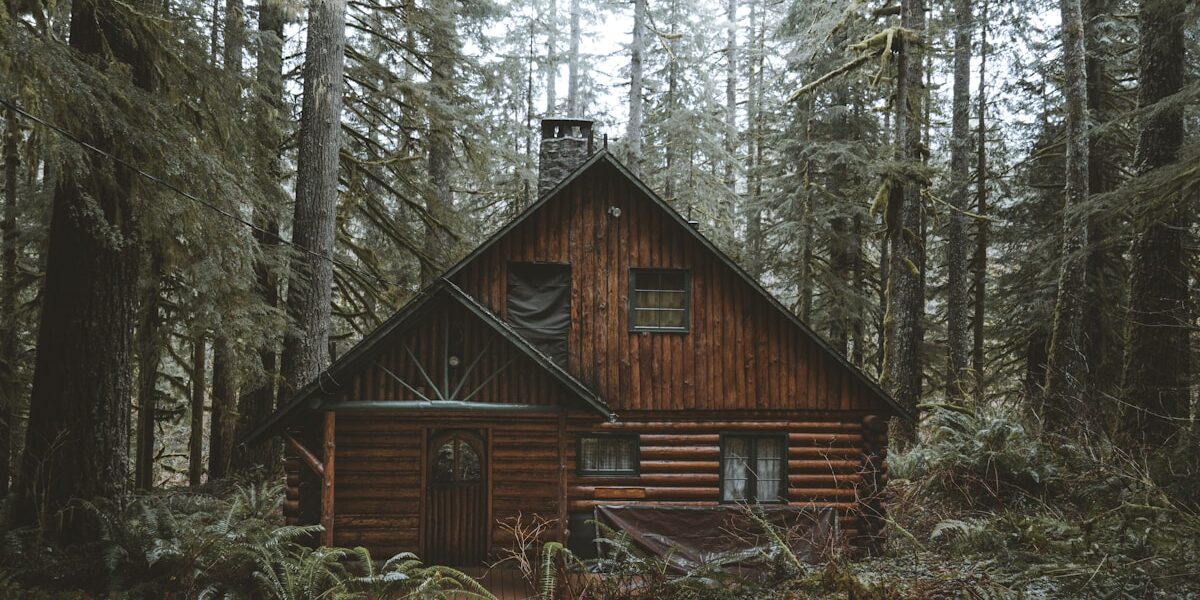
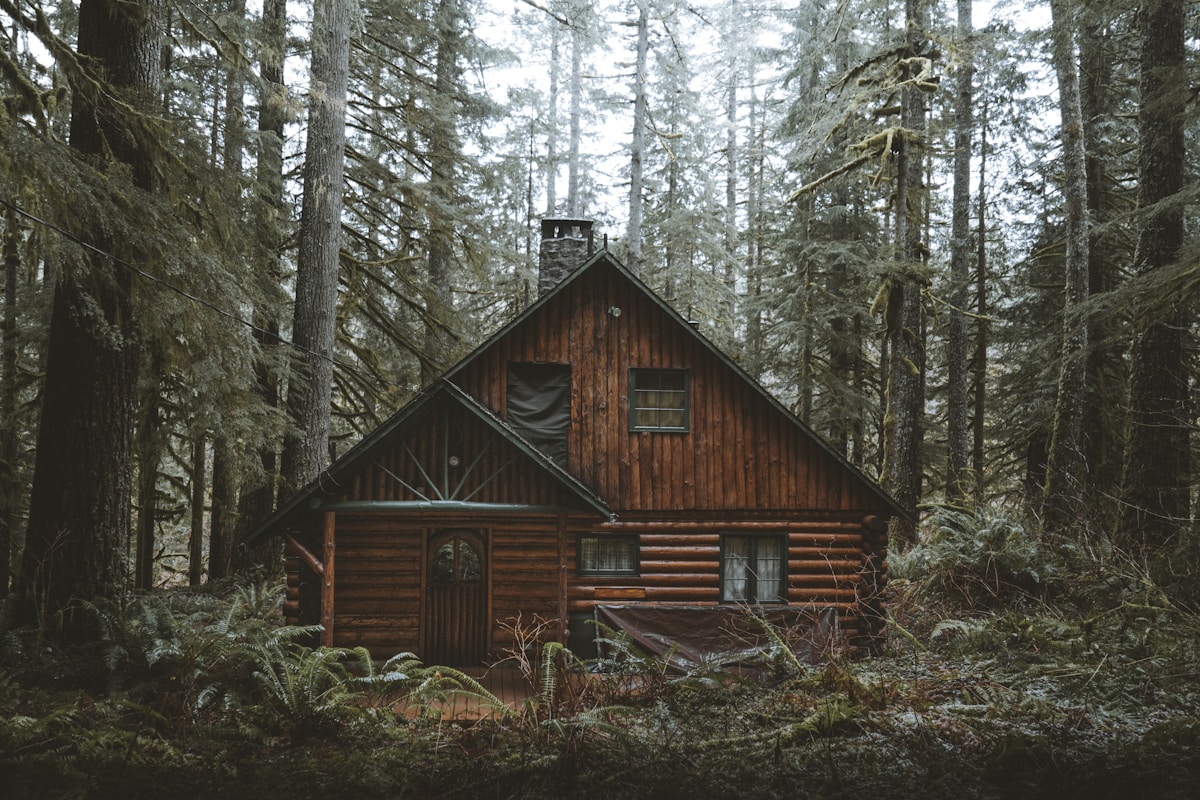
The materials you choose define the whole vibe. Logs provide a warm, natural ambiance that just works — they create coziness and connection to the outdoors without trying. Wooden tables and chairs, often handcrafted, complement the logs perfectly, ensuring consistency in texture and tone. Stone elements like a fireplace enhance the rustic feel even more.
- Logs: Predominantly pine, cedar, or oak.
- Wooden Furniture: Tables, chairs, and benches.
- Stone: Fireplaces or accent walls.
These elements contribute to aesthetic appeal while also offering durability and longevity. You’re building something that lasts, not just decorating.
Lighting
Lighting plays a crucial role in any log cabin dining room. Natural light is best, often streaming through large windows that bring the outside in. Where natural light falls short, ambient lighting becomes key. Chandeliers made of antlers or rustic metals add real character. Candles and lanterns provide soft, warm lighting that’s perfect for evening gatherings. That’s what makes good lighting endearing to us cabin enthusiasts — it creates atmosphere without overpowering everything.
- Natural Light: Large windows and skylights.
- Chandeliers: Rustic styles using materials like antlers or wrought iron.
- Candles and Lanterns: For a warm, intimate atmosphere.
Colors and Decor
Earthy tones dominate the color palette. Browns, greens, and shades of beige blend harmoniously with wooden structures. Decor tends to be functional and minimalistic, often incorporating natural elements. Artwork featuring nature scenes, animal mounts, and handcrafted items add personality and interest without cluttering things up.
- Color Palette: Earthy tones like brown, green, and beige.
- Decor: Functional items with natural themes.
- Artwork: Nature scenes and handcrafted pieces.
Furniture Arrangement
Probably should have led with this section, honestly. Furniture arrangement in a log cabin dining room should be straightforward. A large dining table sits at the center, anchoring the space. Seating options vary from traditional chairs to benches — benches are great for maximizing seating without adding visual bulk. If you have space, a sideboard or buffet provides additional storage and serving space. The goal is creating a layout that encourages social interaction and cozy dining experiences.
- Central Table: The focal point of the room.
- Seating: Mix of chairs and benches.
- Additional Pieces: Sideboards or buffets for storage.
Adding Modern Touches
While rustic charm is essential, modern touches can enhance functionality. Incorporating contemporary lighting fixtures, sleek dinnerware, or even modern chairs creates a balanced look. These elements don’t detract from the rustic atmosphere — they add a layer of sophistication. It’s about finding balance that respects tradition while embracing what works better today.
- Lighting: Contemporary fixtures.
- Dinnerware: Sleek and modern designs.
- Furniture: Incorporating modern elements carefully.
Practical Considerations
Practical aspects matter in any dining room, and a log cabin is no exception. Consider insulation and heating, especially in colder climates. Ventilation is crucial too, as is waterproofing to prevent wood damage. Regular maintenance — sealing and treating the wood — ensures longevity.
- Insulation: Keep the space warm in winter.
- Ventilation: Prevents moisture and wood damage.
- Maintenance: Regular sealing and treatment of wood.
Personal Touches
What makes a log cabin dining room truly special are the personal touches. Family heirlooms, souvenirs from travels, or items handcrafted by local artisans add unique character. These pieces tell stories and make the dining room a true reflection of the people who use it, not just a showroom.
- Heirlooms: Items passed down through generations.
- Souvenirs: Reminders of past travels.
- Handcrafted Items: Local artisan crafts.
A log cabin dining room is more than just a place to eat. It’s a space where tradition meets comfort, where you can gather with family and friends around a table that feels right. By combining natural materials, thoughtful lighting, and personal touches, you create a dining room that’s both functional and genuinely welcoming. Enjoy the process of designing and personalizing your space, and make it a retreat that everyone will actually want to spend time in.
“`