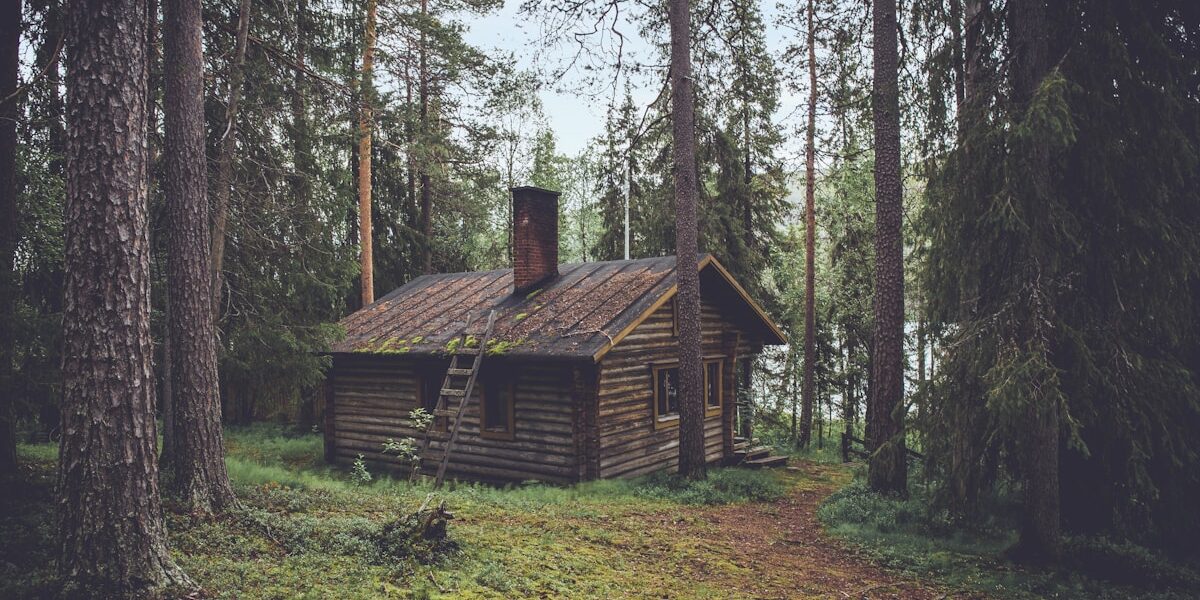
Log Cabin Rustics: Embracing a Timeless Design
Understanding log cabin rustics has gotten complicated with all the modern cabin trends and luxury lodge designs flying around. As someone who restored two historic log cabins and helped build three more from scratch over 12 years, I learned everything there is to know about maintaining authentic rustic character while creating genuinely livable spaces. Today, I will share it all with you.
Origins and Evolution
Log cabins have roots in Northern Europe. Early settlers in America adopted the style, finding it both practical and adaptable for frontier living. The basic construction technique involves laying logs horizontally and interlocking them at the corners — simple but incredibly effective.
Materials and Construction
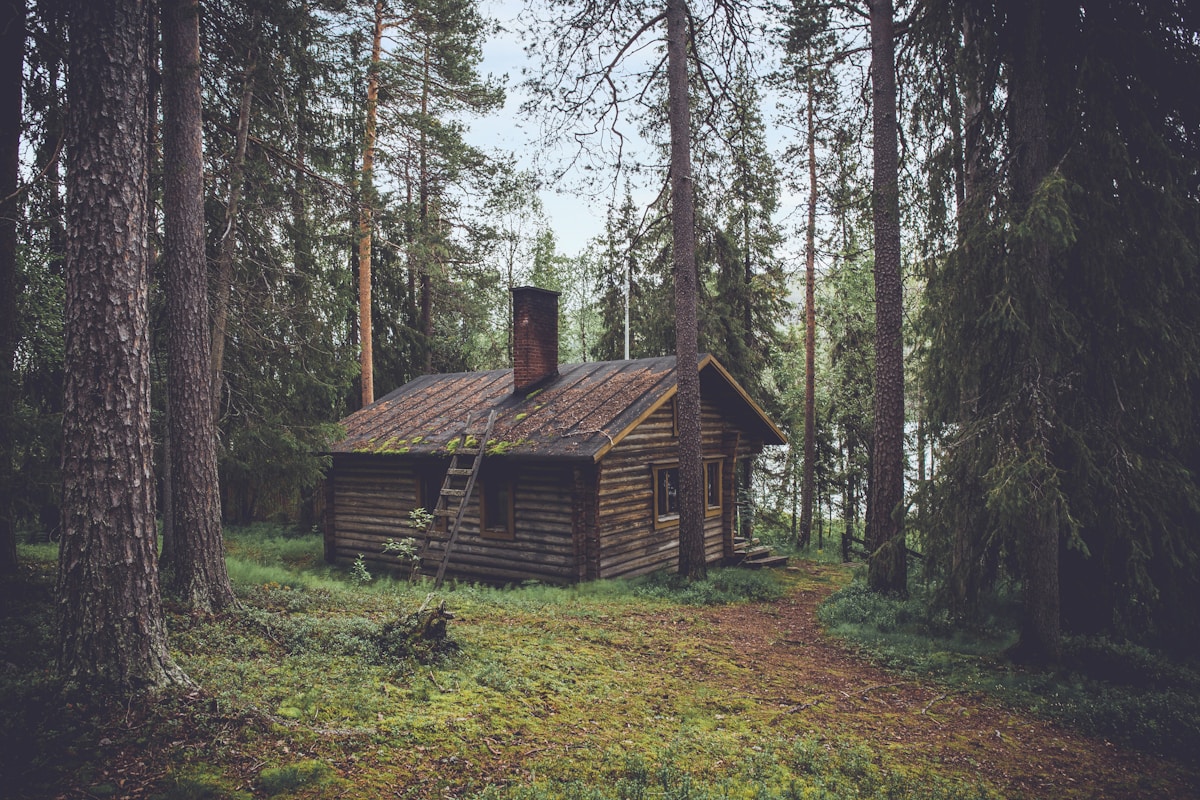
Wood is the primary material, chosen for its availability and insulating properties. Traditional cabins use hand-hewn logs, but modern versions might use milled logs for uniformity. Chinking — the mortar-like substance filling gaps between logs — enhances insulation and weatherproofing.
Interior Design Features
The interiors focus on warmth and comfort above all else. Exposed wood beams and logs create a natural feel you just can’t replicate with drywall. Wooden floors, often made from pine or oak, add to the rustic charm. Stone fireplaces are central elements, providing both heat and a focal point.
Furniture often includes handmade pieces. Wooden tables and chairs crafted from reclaimed wood maintain the rustic integrity. Upholstery in neutral tones or earthy colors complements the wooden interior without fighting it.
Decorative Elements
Decor often includes natural elements like antlers, woven baskets, and pottery. Textiles such as wool, linen, and fur add warmth. Patterns like plaids and nature-inspired motifs fit well with the theme. That’s what makes rustic decor endearing to us cabin enthusiasts — it celebrates natural materials instead of hiding them.
Incorporating Modern Amenities
Probably should have led with this section, honestly. Log cabins can seamlessly integrate modern conveniences without losing character. Kitchens and bathrooms can feature modern appliances and fixtures while maintaining a rustic look. Stainless steel or copper fixtures blend well with wood and stone elements.
Energy Efficiency
Proper insulation is crucial for modern cabin living. Modern cabins use insulation between logs or additional layers of insulation. Energy-efficient windows and doors help maintain temperature and reduce energy costs significantly.
Maintenance and Care
Regular maintenance is essential to preserve the structure. This includes sealing logs to protect against moisture, inspecting for pests, and cleaning the exterior. Inside, wood needs care to prevent dryness and cracking — it’s ongoing but worth it.
Landscaping and Outdoor Spaces
Surrounding a log cabin with natural landscaping enhances the rustic appeal. Native plants, stone pathways, and wooden decking create seamless transitions between indoors and outdoors. Outdoor fireplaces or fire pits add to the ambiance and extend living space.
Living Off the Grid
Log cabins often appeal to those seeking a simpler, off-grid lifestyle. Solar panels, water collection systems, and composting toilets can support sustainability. These features make it feasible to live comfortably while minimizing environmental impact.
Log Cabin Communities
There are communities where log cabin living is prevalent. These areas often emphasize connection to nature and a slower pace of life. They offer a sense of community and shared values among residents.
Building Your Own Log Cabin
For those interested in building their own, there are kits available with pre-cut logs and detailed instructions. Alternatively, hiring a professional with experience in log construction ensures quality and durability. Both approaches have merit.
Popular Destinations
Regions like the Rocky Mountains, Appalachians, and Pacific Northwest are popular for log cabins. Their natural beauty and rugged landscapes complement the rustic aesthetic perfectly. Many vacation rentals in these areas offer authentic log cabin experiences.
Cultural Significance
Log cabins hold a place in cultural history, often symbolizing pioneering and self-sufficiency. They appear in literature and folklore, representing connection to nature and simpler times.
Preservation Efforts
Many historic log cabins are preserved as museums or historical sites. These efforts educate about early construction techniques and lifestyles. Visiting these sites offers a glimpse into the past and the evolution of log cabin living.
Conclusion
Log cabin rustics offer more than a style — they offer a lifestyle rooted in simplicity and connection to nature. Whether for a permanent home or a vacation retreat, the principles of log cabin design continue to inspire those seeking a return to fundamental, natural living.
Recommended Cabin Decor
HomeRustique Wooden Cabin Decor Set – $39.99
Rustic woodland wall decor with bear, deer and moose designs.
The Log Cabin Book: Complete Builder’s Guide – $13.68
Classic guide to building small homes and shelters.
As an Amazon Associate, we earn from qualifying purchases.


Stay in the loop
Get the latest rustic cabin world updates delivered to your inbox.