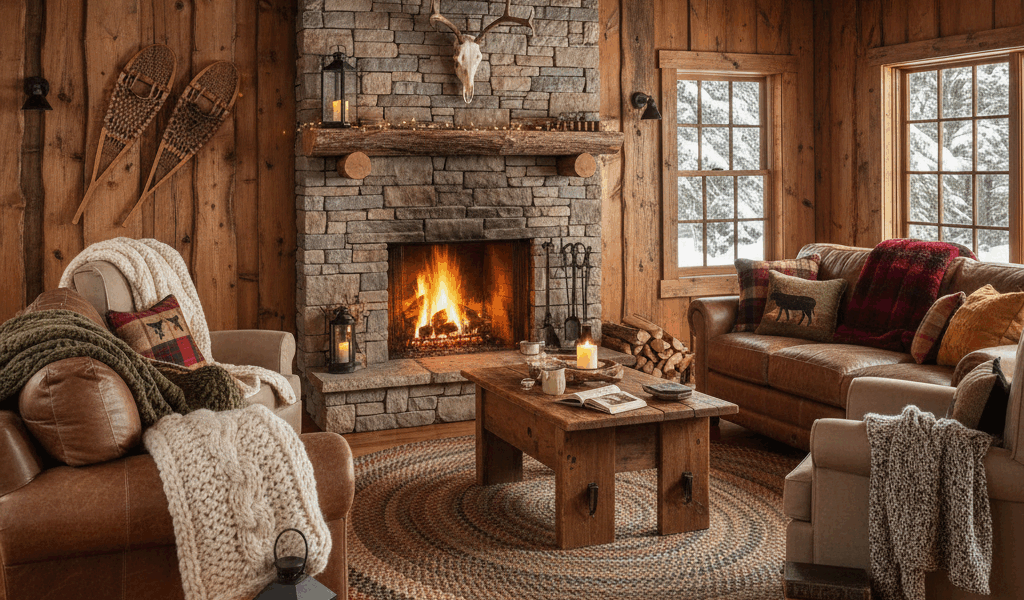
Cabin core has gotten complicated with all the Pinterest boards and TikTok videos flying around. I saw the term pop up online a couple years ago and honestly rolled my eyes — another aesthetic trend with a cutesy name, another excuse to sell overpriced throw blankets. Then I actually looked at what people were posting and thought… wait. That’s just my living room. When exactly did my house become a trend?
What Cabin Core Actually Means
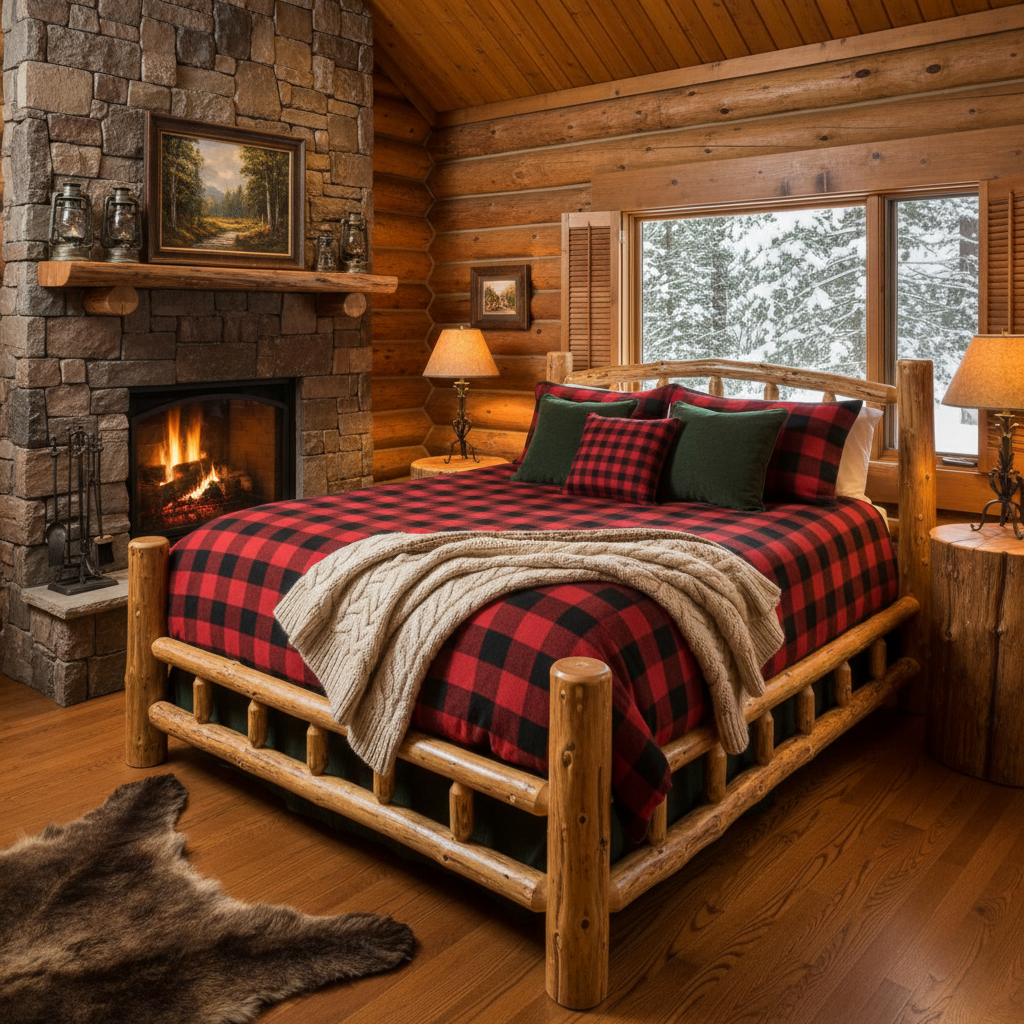
At its core (no pun intended), we’re talking about interiors that lean into natural materials, cozy textures, warm tones, and some kind of connection to the outdoors. Exposed wood beams, chunky knit blankets draped over everything, stone accents, plaid patterns, candles everywhere, a few houseplants. Less sterile white box, more “I could live here forever and never miss the city.”
It’s basically a reaction to that minimalist look that dominated the 2010s. Turns out people got tired of living in spaces that looked like they were staged for a real estate listing. They want warmth. Texture. Spaces that feel handmade instead of factory-assembled. They want to feel like they’re tucked into a mountain retreat — even if they’re actually in a studio apartment in Denver.
That’s what makes cabin core endearing to us cabin folks — we’ve been doing this forever without giving it a name. We use natural materials because, well, that’s what’s around. We pile on blankets because cabins genuinely get cold. We burn candles because the power goes out more than we’d like to admit. Now suddenly it’s aspirational.
The Real Elements
Some of what falls under the cabin core umbrella is genuinely the real deal. Wool blankets, worn leather furniture, rough-hewn wood surfaces — these aren’t decorating choices so much as practical ones that happen to photograph well. A flannel pillow isn’t “performing cabin.” It’s just comfortable.
Probably should have led with this section, honestly, because the wood conversation matters most. Real wood with real grain, not laminate with a printed texture pretending to be something it isn’t. And here’s the thing — you don’t need to spend a fortune. Barn board from a salvage yard, rough-cut lumber from whatever small mill is closest to you. That stuff looks infinitely better than expensive fake wood from a big box furniture store. I’ve seen $40 worth of reclaimed planks outshine a $400 “rustic” coffee table.
Stone and metal accents pull their weight too. A cast iron pot sitting on the woodstove, a stone mortar and pestle on the kitchen counter, copper pots hanging from hooks. These things actually do something while adding visual warmth. Form and function, as the designers like to say.
Plants bring the whole thing to life, in my experience. Not necessarily tropical houseplants — more like ferns, kitchen herbs, dried wildflowers, interesting branches in a ceramic vase. Things that look like they came from the woods outside your front door, because ideally they did.
The Fake Elements
And then there’s the stuff that makes me cringe. Mass-produced “rustic” signs with inspirational sayings in that same handwriting font everyone uses. Faux antler decor that looks nothing like actual antlers (I have real ones on the wall — they’re weird and asymmetrical, not perfectly symmetrical like the plastic versions). Sticker kits that simulate shiplap. Furniture that was manufactured last week but distressed to look like it survived the Oregon Trail.
Look, the problem isn’t that these items exist. People can buy what they want. The issue is they undermine what makes this whole aesthetic work in the first place. Cabin core succeeds through authenticity. When every piece is fake, the warmth just evaporates. You end up with a theme park version of a cabin — all surface, no substance.
My advice if you want the look but can’t swing solid wood furniture? Buy old stuff and refinish it. Thrift stores, estate sales, Facebook marketplace. It costs less than new “rustic” pieces and actually has the history it appears to have. I refinished a maple dresser from a yard sale last spring — $35 plus a weekend of sanding — and it’s now the nicest piece in the guest room.
Applying It Practically
You don’t need a cabin to borrow these ideas. A city apartment can absolutely incorporate natural materials, warm colors, and layered textures. The principles translate to basically any space.
Start with textiles. Wool throws, linen curtains, cotton bedding in earthy tones. Relatively affordable, immediately noticeable. A plain gray sofa with a cream wool throw draped over the arm looks cabin-adjacent; that same sofa without it just looks like every other sofa in every other apartment.
Add wood wherever you can. A thick wooden cutting board displayed on the counter instead of hidden in a cabinet. Floating shelves in a natural finish. Picture frames in wood rather than brushed metal. None of this is expensive, and all of it shifts the feeling of a room.
Light warm. I’ve written about this elsewhere, but color temperature transforms a space more than almost anything else you can do. 2700K bulbs everywhere, lamplight over overhead fixtures, candles when the evening calls for it. Cool white lighting kills cozy faster than anything I know.
What Actually Matters
The trend will fade — they always do. But the underlying desire won’t. People want spaces that feel human. Spaces with texture and warmth and a few imperfections. The minimalist fantasy of empty white rooms turns out to be genuinely uncomfortable to live in for extended periods. Who knew.
Whether you call it cabin core or rustic or farmhouse or just “the way I like my house,” the principle is the same. Natural materials. Warm colors. Things that invite you to reach out and touch them rather than putting up a velvet rope. That works in any decade, through any trend cycle.
My cabin didn’t change when this trend got a name. It’s still full of the same wool blankets and battered wood furniture and slightly questionable taxidermy it’s always had. If that’s fashionable now, great. It’ll still be here long after the algorithm moves on to the next thing.



Stay in the loop
Get the latest wildlife research and conservation news delivered to your inbox.