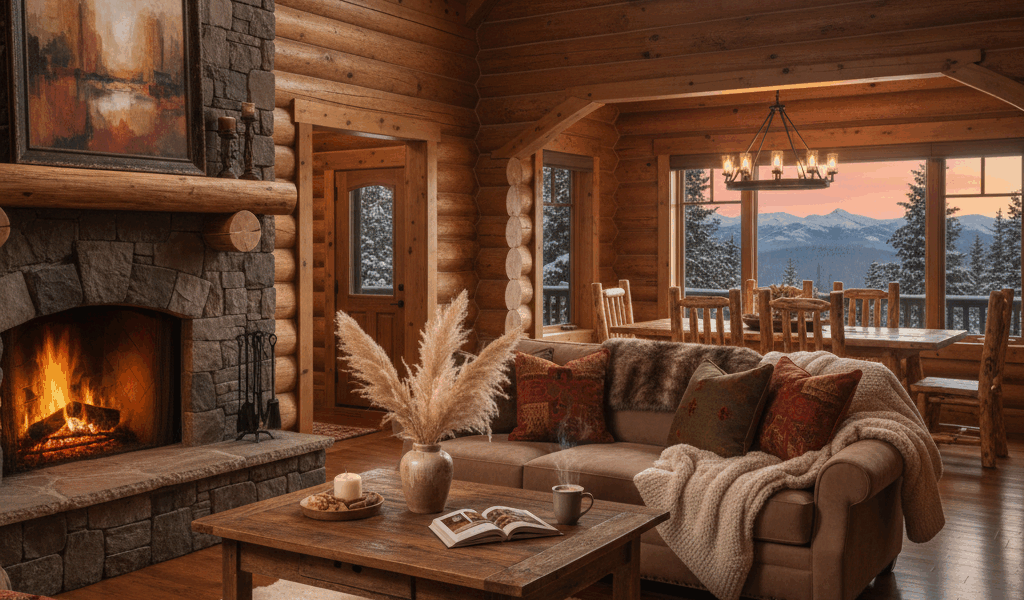
As someone who’s furnished two cabins from scratch, I can tell you the term “log cabin rustics” gets thrown around so loosely it’s basically lost meaning. Walk into any furniture store within fifty miles of a ski resort and everything’s labeled rustic. That antique dealer in town? Rustic. The big box store with laminate everything? Also “rustic.” I learned everything the hard way, buying pieces that looked right in showrooms but felt completely wrong once I got them home.
Probably should have led with this: real rustic furniture and rustic-styled furniture are different animals entirely. What follows is what I wish someone had explained before I wasted money on the wrong stuff.
What Actually Defines the Style
Authentic log cabin rustic furniture shares certain characteristics regardless of when it was made or who made it. The pieces emphasize natural materials, visible joinery, and an honest relationship between form and function. Nothing pretends to be something it isn’t. That’s what makes these pieces endearing to us cabin owners who value substance over style points.
Wood grain stays visible. Where modern furniture often covers wood with paint or veneer, rustic pieces let the material speak for itself. Knots, grain variations, and natural imperfections become features rather than flaws to hide. My dining table has a knot the size of my fist right in the center. I love it.
Construction is straightforward and sturdy. Mortise and tenon joints, pegged connections, and other traditional joinery methods replace the hidden fasteners and glue-reliant construction of contemporary furniture. You can actually see how the piece is put together, which I find reassuring.
Scale tends toward substantial. Delicate lines and thin profiles don’t fit the aesthetic. Rustic furniture has presence—thick legs, solid tops, arms you can actually rest on without worrying. The pieces look like they could survive another century because they probably can.
Material Choices
Choosing wood for rustic furniture has gotten complicated with all the options out there now. The species defines much of a piece’s character, creating distinctly different impressions even within the rustic category.
Pine dominates affordable rustic furniture. The soft wood takes stain well, ages gracefully, and costs less than hardwood alternatives. Knotty pine specifically has become synonymous with cabin interiors—those distinctive knot patterns read immediately as rustic. My first cabin was furnished almost entirely in pine, and it served us well for fifteen years.
Cedar brings rot resistance and aromatic qualities that make it ideal for specific applications. Cedar chests protect woolens; cedar porch furniture survives weather better than pine. The reddish color and straight grain create a cleaner look than knotty pine.
Hickory and oak represent the hardwood options. More expensive and harder to work, these species produce pieces with serious durability. A hickory rocking chair will outlast its owner and probably the owner’s grandchildren. My hickory chairs came from a craftsman in Tennessee, and they’ve already survived two kids learning to tilt backwards.
Reclaimed wood carries history. Barn boards, old-growth timbers from demolished buildings, and salvaged industrial wood bring patina that can’t be manufactured. The nail holes, weathering, and accumulated character make each piece unique. There’s something deeply satisfying about eating dinner on a table made from wood that was already old when your grandparents were young.
Genuine vs. Manufactured Rustic
The market for rustic furniture has attracted manufacturers who apply rustic styling to conventional production methods. The results look rustic but lack the substance that defines authentic pieces. I’ve made this mistake more than once.
Genuine rustic furniture comes from craftspeople or small workshops. Individual attention goes into each piece. Variations exist because humans made the furniture, not machines following templates. Prices reflect the labor involved, and honestly, that labor deserves compensation.
Manufactured rustic comes from factories that produce furniture styled to look rustic. Distressing gets applied mechanically. “Natural” variations repeat identically across production runs. The furniture serves a market that wants the aesthetic without paying for craftsmanship. I bought a “rustic” coffee table this way once—noticed the identical distressing pattern on three other tables in the same showroom.
Neither is wrong for all purposes. A manufactured rustic side table might work perfectly for occasional use. But for the centerpiece furniture that defines a room’s character, the genuine article delivers satisfaction that imitations can’t match. Trust me on this.
Regional Styles
Different regions developed distinct interpretations of rustic furniture, and those traditions continue influencing what’s available today.
Adirondack style features bent and twisted branches, often with bark intact. The furniture looks almost organic—chairs and tables that seem grown rather than built. Twigs form decorative elements and structural components alike. This style isn’t for everyone, but when it works, it really works.
Western rustic incorporates wildlife motifs, leather accents, and often antler elements. The aesthetic suits lodges and hunting camps, with furniture that tells stories about life in the mountains.
Appalachian rustic tends toward simpler forms with less decoration. The focus falls on solid construction and practical design. Chairs that need to withstand daily use for generations prioritize function over ornament. This is the tradition I’ve come to appreciate most.
Scandinavian rustic brings a lighter touch—painted finishes, cleaner lines, and folk art influences that distinguish it from American traditions. The pieces feel rustic without the heaviness that sometimes dominates American interpretations.
Incorporating Rustic Pieces
Rustic furniture doesn’t require an all-rustic room. Some of the most successful interiors I’ve seen mix rustic pieces with other styles, letting each element contribute its character.
Statement pieces anchor spaces. A massive rustic dining table, a bed frame built from logs, or a handcrafted armoire establishes the room’s personality. Supporting furniture can be simpler—doesn’t all need to be handmade masterpieces.
Textiles bridge styles. A rustic chair with a contemporary throw pillow connects traditions. Rugs, curtains, and bedding moderate the rusticity or amplify it depending on your choices.
Modern lighting updates rustic rooms without compromising character. The contrast between a contemporary fixture and traditional furniture can energize both elements. Slavish period consistency sometimes produces rooms that feel like museums. Nobody wants to live in a museum.
Caring for Rustic Furniture
The same characteristics that make rustic furniture appealing—natural finishes, visible wood, honest materials—require appropriate care. It’s not complicated, but it’s not zero-maintenance either.
Dust regularly. Wood grain traps dust more than smooth finishes. A soft cloth weekly prevents buildup that dulls the surface over time.
Protect from moisture variations. Solid wood expands and contracts with humidity changes. Extreme dryness in heated winter rooms can crack joints; extreme humidity can swell doors and drawers. Moderate conditions extend furniture life. I keep a humidifier running in my cabin during winter heating season for exactly this reason.
Refresh oil finishes annually. Most rustic furniture wears oil or wax finishes rather than film finishes like polyurethane. These natural finishes need periodic renewal. A light coat of appropriate oil maintains protection and appearance. I do this every spring when I open the cabin.
Accept patina as enhancement. Rustic furniture improves with use. The wear patterns, darkening wood, and accumulated history add character that manufacturers try unsuccessfully to simulate. Let your furniture age gracefully—those scratches and dings tell your family’s story.




Stay in the loop
Get the latest wildlife research and conservation news delivered to your inbox.