Western Style House
Western style house design has grown more complex with the Pinterest boards and HGTV shows flying around. As someone who grew up in a 1940s farmhouse in Oklahoma and spent way too many weekends helping my uncle frame out additions on his ranch property, I sat down and learned what actually makes a house “western.” Today, I will share it all with you.
Architectural Features That Actually Matter
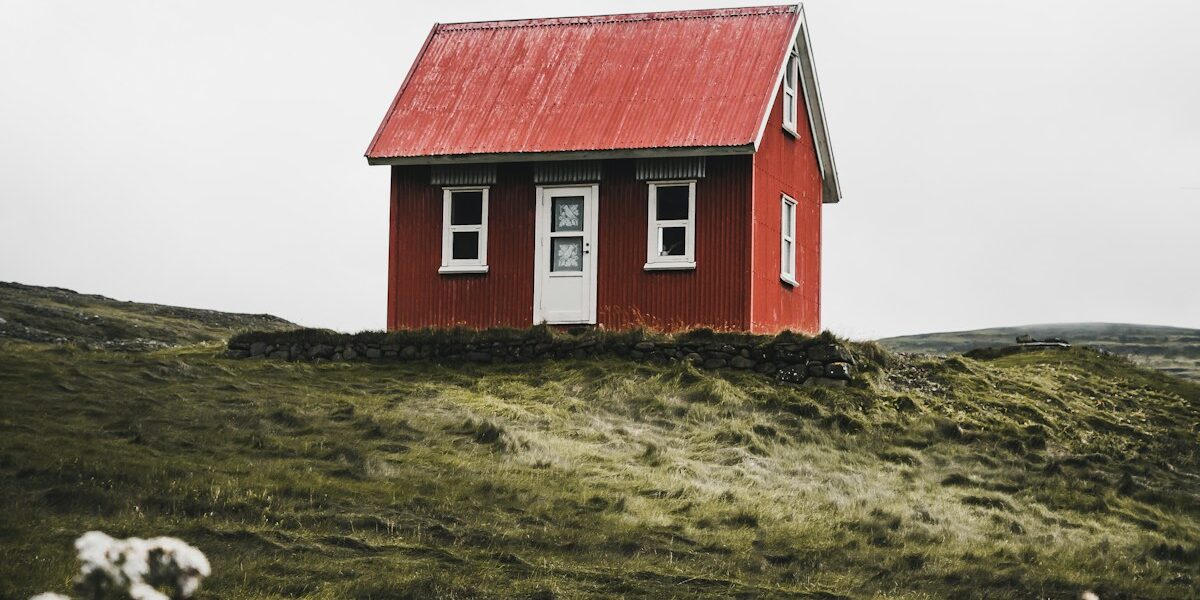
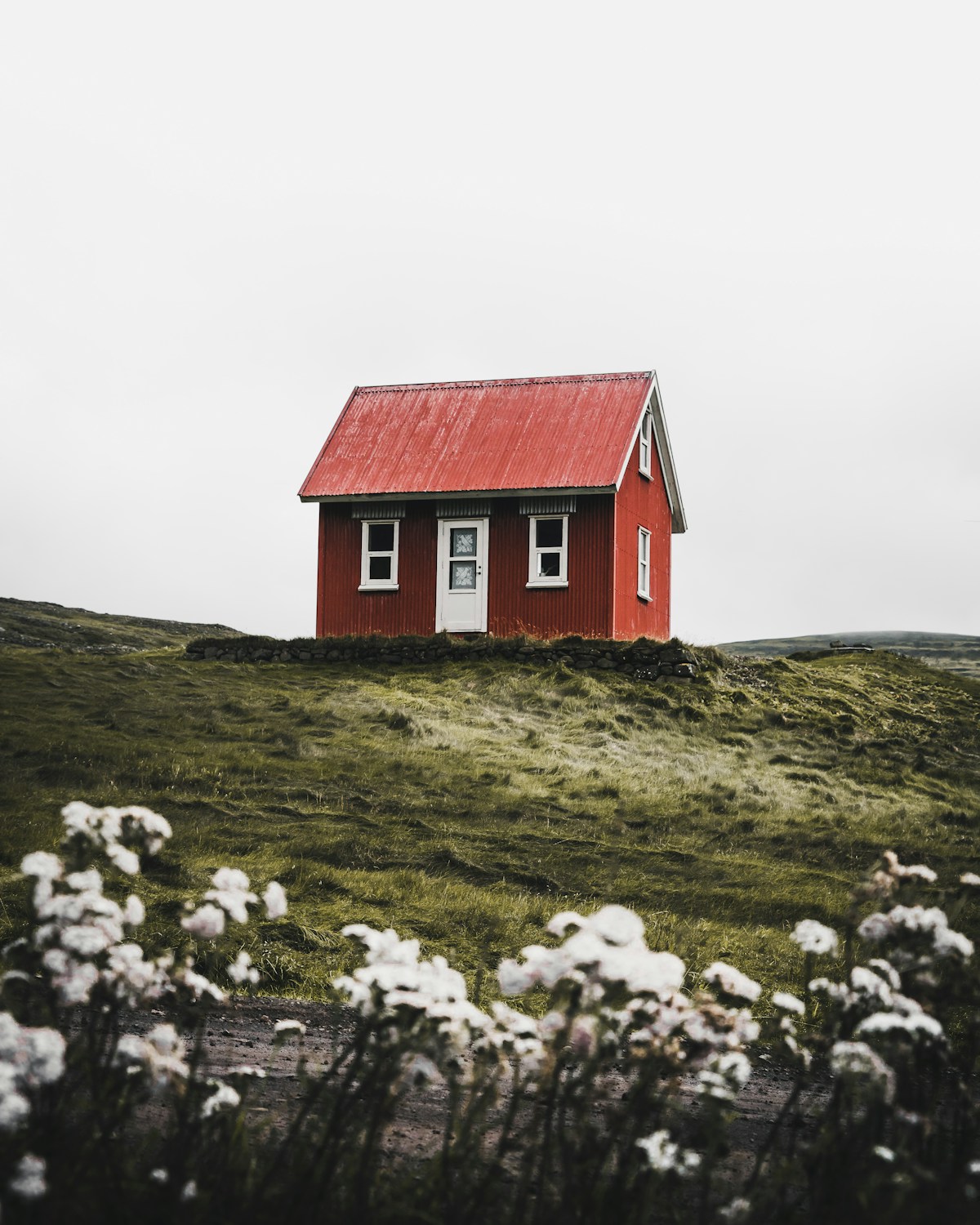
The gable roof is probably the single most defining feature of a western style house, and I think people overlook it because it seems so basic. But that steep pitch does real work — it sheds rain and snow without you ever thinking about it. My uncle’s place had a 10/12 pitch and we never once dealt with ice dams, even during that brutal winter in 2011.
Chimneys are another dead giveaway. You’ll see them in brick or stone, usually off-center on the roofline. Large windows and doors let natural light pour in, which matters more than you’d think when you’re living twenty minutes from the nearest town. The framing is almost always wood — oak or pine — though some newer builds mix in steel where load-bearing walls need the extra muscle.
Materials Used
Probably should have led in this part, truthfully. The materials tell you more about a western house than any architectural diagram ever could. Wood runs the show here. Oak for the bones, pine for the trim, cedar if the homeowner has a little more budget to play with. I’m apparently a cedar snob and cedar siding works for me while pine clapboard never holds up past about eight years.
Stone and brick show up on exteriors and fireplaces — not decoratively, but because they’re locally available and they last. Modern western builds might throw in some steel framing and oversized glass panels, which looks gorgeous but starts to blur the line into contemporary territory. That tension between old materials and new techniques is what makes western style houses endearing to us architecture buffs — they refuse to pick just one era.
Exterior Design
If the house doesn’t have a big front porch, I’m going to question whether it’s actually western style. That porch is the whole personality of the house. It’s where you leave your muddy boots, where the dog sleeps on hot afternoons, where you sit with coffee and watch absolutely nothing happen for thirty minutes. Wooden railings, maybe a porch swing if someone’s feeling ambitious, and a few planters that the homeowner swears they’ll water consistently this year.
The facade usually features shutters — functional ones on older homes, decorative on newer builds. Dormers break up the roofline and add a little visual interest. Landscaping tends toward the practical: a grass lawn that can handle foot traffic, some flower beds along the foundation, and maybe a vegetable garden out back that produces more zucchini than any family can reasonably consume.
Interior Layout
Walk into a western style house and the first thing you notice is the breathing room. These homes don’t do cramped. The floor plan typically puts the living room, kitchen, and dining area in a connected flow — not quite open concept in the modern sense, but not walled off either. Bedrooms and bathrooms cluster on one side of the house, giving you actual separation between the social spaces and the private ones.
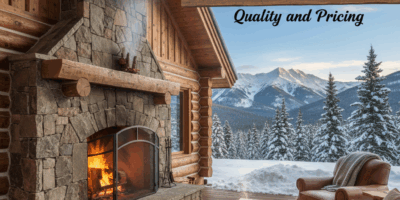
Exposed wooden beams overhead and a stone fireplace anchoring the main room — that’s the signature interior move. I’ve seen builders try to fake this with beam wraps and stone veneer, and honestly, from across the room you can’t always tell the difference. But up close, real timber and real stone have a weight and texture that the replicas just don’t nail.
Furniture and Decor
The furniture in these homes is built to be sat in, not looked at. Leather sofas that develop a patina over the years, chunky wooden tables that can handle a Thanksgiving spread without wobbling, and metal accents — wrought iron curtain rods, copper light fixtures, that kind of thing. Antiques show up not because someone went to an antique mall, but because grandma’s sideboard was too heavy to move and too nice to throw away.
Decor leans toward rugs with southwestern patterns, quilts folded over the backs of chairs, and woven baskets that actually store things. Artwork on the walls tends to feature landscapes or historical scenes — paintings of cattle drives, old photographs of the property from fifty years ago, maybe a mounted set of antlers if that’s the family’s thing.
Color Scheme
Earthy tones run the palette here. Browns, greens, tans — colors you’d find if you walked outside and looked at the ground. Whites and creams show up in trim and ceilings to keep things from feeling too cave-like. For accent colors, you might see deep reds on a front door, navy blue on throw pillows, or gold tones in curtain fabric. Nothing neon, nothing trendy. These color choices age well, which is kind of the whole point.
Lighting
Those big windows I mentioned earlier do most of the heavy lifting during the day. At night, the lighting shifts to chandeliers — not crystal ones, more like wrought iron fixtures with candle-style bulbs. Wall sconces in hallways, table lamps with fabric shades in the living room. The fixtures themselves are often made from iron, brass, or turned wood, and they tend to feature motifs pulled from nature. Pinecones, elk, leaves — that sort of thing. Subtle, not kitschy. Usually.
Flooring
Hardwood floors are non-negotiable. Oak is the classic choice, though maple and pine both show up frequently. I’ve walked on enough pine floors to know they dent if you look at them wrong, but they develop this beautiful worn character over time that harder woods just don’t achieve. Stone tile takes over in kitchens and bathrooms where water resistance matters. Area rugs and runners add warmth underfoot and help define spaces within those open floor plans.
Sustainability
Modern western style builds are getting smarter about this stuff. Using locally-sourced lumber and stone cuts down on transportation costs and carbon footprint — plus the materials tend to match the landscape better anyway. Energy-efficient windows and beefed-up insulation make a real difference in heating bills, especially in places where January means single-digit temperatures for weeks. Solar panels and rainwater harvesting are creeping into the mix too, though the old-timers still raise an eyebrow at solar panels on a ranch house.
Construction Techniques
Traditional western house construction is wood framing, full stop. Studs, joists, rafters, all connected with nails and sometimes lag screws at critical joints. Modern builds might use prefabricated trusses to speed things up, which drives the purists crazy but saves about two weeks on a typical build schedule. Insulation matters enormously — I’ve been in old western homes with no insulation in the walls and the heating bill alone would make you consider selling the place. Proper maintenance — resealing the wood, checking the roof, cleaning gutters — keeps these houses standing for generations.
Historical Context
Western style houses trace back to colonial homes built in the 1700s and 1800s, when European settlers brought their construction knowledge and ran headfirst into a completely different landscape and climate. They merged Old World craftsmanship with local American resourcefulness — using whatever timber and stone was available within hauling distance. Each region ended up developing its own flavor. A western house in Montana looks different from one in Texas, which looks different from one in Colorado. But they all share that same DNA of practicality, durability, and a roof that can handle whatever the sky throws at it. The style endures because it works.

Stay in the loop
Get the latest rustic cabin world updates delivered to your inbox.