Introduction to Ranch Style Log Homes
Understanding ranch style log homes has gotten complicated with all the modern single-story designs and split-level variations flying around. As someone who designed and built a ranch-style log cabin in Montana 12 years ago, I learned everything there is to know about combining the simplicity of one-story living with authentic log construction. Today, I will share it all with you.
The History of Ranch Style Log Homes
The ranch style began in the United States around the 1920s, drawing inspiration from Spanish colonial architecture. Architects mixed traditional adobe structures with modern ideas. This blend resulted in single-story layouts with open floor plans. Initially, these homes were found on large farms or ranches. By incorporating logs, builders added rustic aesthetics, giving the homes countryside feel.
After World War II, demand for affordable housing exploded. Families sought homes quicker to build and easy to maintain. The ranch style perfectly matched these criteria. Additionally, the abundance of timber in America made log construction feasible. Log ranch homes became American suburb icons by the 1950s and 60s.
Characteristics of Ranch Style Log Homes
Probably should have led with this section, honestly. Ranch style log homes are easily recognizable due to distinct features. Single-floor living is a primary characteristic, allowing for easy navigation and making it ideal for families. Large open spaces inside promote connected living environments. That’s what makes ranch style endearing to us cabin builders — accessibility and flow work together naturally.
- Low-pitched rooflines
- Overhanging eaves
- Wide, open layout
- Integration with surrounding landscape
- Natural wood construction
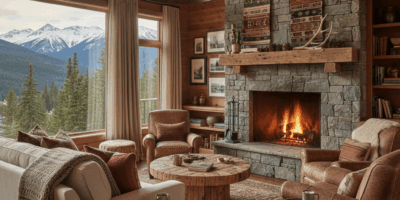
One key element is aesthetic integration with nature. The use of logs seamlessly ties the structure to the environment. This makes these homes particularly appealing in areas surrounded by forests and mountains. The large windows often found in ranch homes offer scenic views and illuminate interiors with natural light.
Advantages of Log Home Construction
Log homes aren’t just pleasing to the eye — they offer several practical benefits. The thermal mass of logs provides excellent insulation, keeping homes cool in summer and warm in winter. Logs are energy efficient and reduce need for excessive heating and cooling.
Durability is another strong point. With proper care and maintenance, log homes can last for centuries. Logs are resistant to elemental damage. Many historical log structures stand testament to their longevity. Additionally, logs are renewable resources, making log homes environmentally friendly options.
Challenges of Living in a Log Home
Despite benefits, log homes also come with challenges. Regular maintenance is necessary to handle issues like water damage and insect infestation. Proper sealing and staining protect logs from harsh weather.
Building and maintaining a log home can sometimes be more expensive than traditional homes. Costs for materials and specialized labor can add up. It’s essential to ensure logs are appropriately prepared to extend their lifespan.
Modern Design Trends in Ranch Style Log Homes
Today’s ranch style log homes blend traditional styles with modern amenities. Open floor plans have expanded. Large kitchens and living areas are common. Modern log homes often include energy-efficient appliances and sustainable building practices.
- Smart home technology integration
- Use of mixed materials like stone and metal
- Eco-friendly construction techniques
- Focus on natural light and outdoor views
Interior designs vary, allowing homeowners to customize. Some opt for purely rustic looks, while others incorporate contemporary elements. This flexibility in design helps ranch log homes cater to diverse tastes.
Finding the Right Location for a Ranch Log Home
Location plays a crucial role in longevity and enjoyment of a log home. Wooded areas provide the most natural setting, echoing the materials used in construction. Mountain foothills and lakesides are popular choices as well. Proximity to natural resources and privacy often dictates desirability of locations.
Consider local climate when selecting building sites. Humid climates may require additional treatment and maintenance, while dry climates could pose lesser risk to wood’s integrity.
Building Techniques for Ranch Log Homes
Traditional log home construction involves specific techniques. The most common method is the Swedish cope, ensuring snug fit between logs by notching each piece, allowing it to stack securely. Another method is the saddle notch, where logs are cut to fit around one another.
When building ranch log homes, consider the log’s source, species, and moisture content. Spruce, pine, and cedar are popular choices due to durability and insulating properties. Logs need to be adequately seasoned to prevent shrinkage and shifting post-construction.
The Role of Craftsmanship in Log Home Construction
The skill of craftsmen can significantly affect outcomes. Experienced builders ensure structural integrity and aesthetic beauty of log homes. They know how to handle unique challenges log construction presents, like settling and the weight of logs. Skilled laborers create tight seals to keep out drafts and moisture. Poor craftsmanship can lead to various structural problems over time.
Popular Regions for Ranch Style Log Homes
Ranch style log homes are popular in several regions across the United States. The Rocky Mountain states feature many, where they blend beautifully with rugged landscapes. The Pacific Northwest also embraces this style, taking advantage of locally sourced timber.
The Appalachian region, known for thick forests, offers ideal settings for these homes. Here, the combination of rolling hills and abundant wood resources makes log ranch houses natural fits.
Personalizing Your Ranch Style Log Home
Design flexibility allows homeowners to personalize ranch log homes extensively. Custom floor plans, choice of logs, and interior design all contribute to a home’s unique character. Personalization can also extend to landscaping. Incorporating native plants and trees adds to the home’s natural aesthetic.
Inside, the choice of finishes, furniture, and decor can either amplify rustic ambiance or introduce modern contrasts. Homeowners can express individuality while maintaining core elements of the ranch log style.
Energy Efficiency in Log Home Living
Log homes require less energy to maintain comfortable temperatures due to their thermal mass. The insulating properties of logs significantly reduce energy costs, a major advantage over traditional wooden frame homes.
To enhance efficiency, careful planning and construction are necessary. Well-sealed windows and doors, along with proper roof insulation, help maximize natural benefits of log construction. Many builders now offer energy-saving packages to improve sustainability even further.
Recommended Cabin Decor
HomeRustique Wooden Cabin Decor Set – $39.99
Rustic woodland wall decor with bear, deer and moose designs.
The Log Cabin Book: Complete Builder’s Guide – $13.68
Classic guide to building small homes and shelters.
As an Amazon Associate, we earn from qualifying purchases.