
Open Floor Plan vs Traditional: Interior Layout Options for Log Homes
As someone who’s lived with both layouts across two different cabins, I can tell you that the interior layout of a log cabin shapes daily life within its walls. Open floor plans create flowing spaces that feel larger and encourage togetherness. Traditional layouts with defined rooms offer privacy and efficient heating. I learned everything the hard way before understanding both approaches, and knowing the trade-offs helps future cabin owners envision how they’ll actually live in their log home.
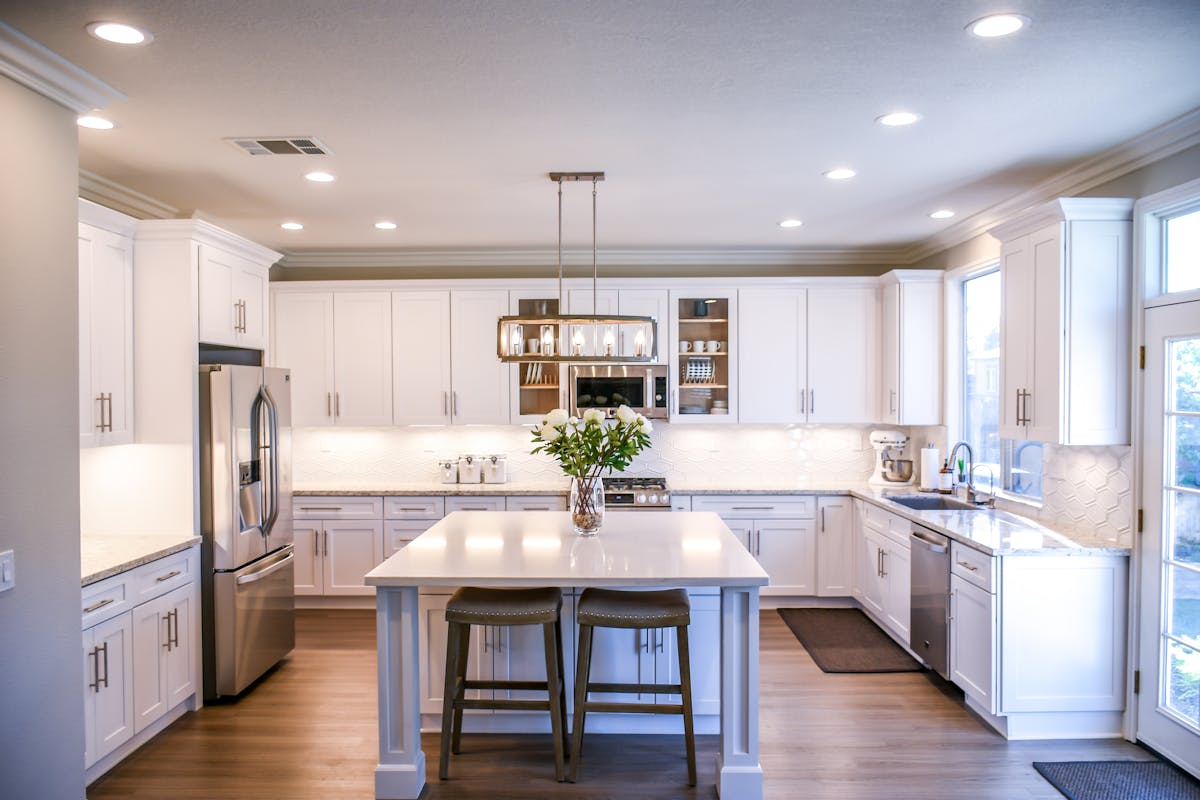
Open Floor Plan Benefits
Great rooms combining kitchen, dining, and living spaces have become the dominant preference in modern log homes. These open layouts allow cooks to participate in conversations, give parents sight lines to children, and create dramatic volumes showcasing log construction. Cathedral ceilings, possible without intervening walls, enhance the sense of spaciousness. Open plans also simplify furniture arrangement and traffic flow. That’s what makes open layouts endearing to us cabin owners who love to entertain.
Traditional Room Advantages
Defined rooms offer benefits open plans sacrifice. Separate spaces contain cooking odors, provide quiet retreats, and allow different activities simultaneously without interference. Traditional layouts often heat more efficiently, with rooms closing off when unoccupied. Privacy comes naturally when bedrooms, offices, and living spaces have doors. Some families find traditional layouts better suited to their lifestyles despite contemporary trends. Probably should have led with this: we eventually added a pocket door to our open plan because we needed the occasional separation.
Hybrid Approaches
Many successful log homes blend both philosophies. Main living areas flow openly while bedrooms and offices remain private. Half-walls, changes in ceiling height, and floor level variations define spaces without full separation. These hybrids capture open plan drama while preserving functional zones. Choosing between layouts has gotten complicated with all the options available now, but careful planning achieves the best of both approaches.
Structural Implications
Log construction influences layout possibilities. Interior log walls provide structural support that must be considered in open designs. Post and beam systems can span greater distances than stacked log walls, enabling larger open spaces. Understanding structural requirements early in design prevents costly changes later and ensures the finished cabin matches both aesthetic and practical goals.


Stay in the loop
Get the latest rustic cabin world updates delivered to your inbox.