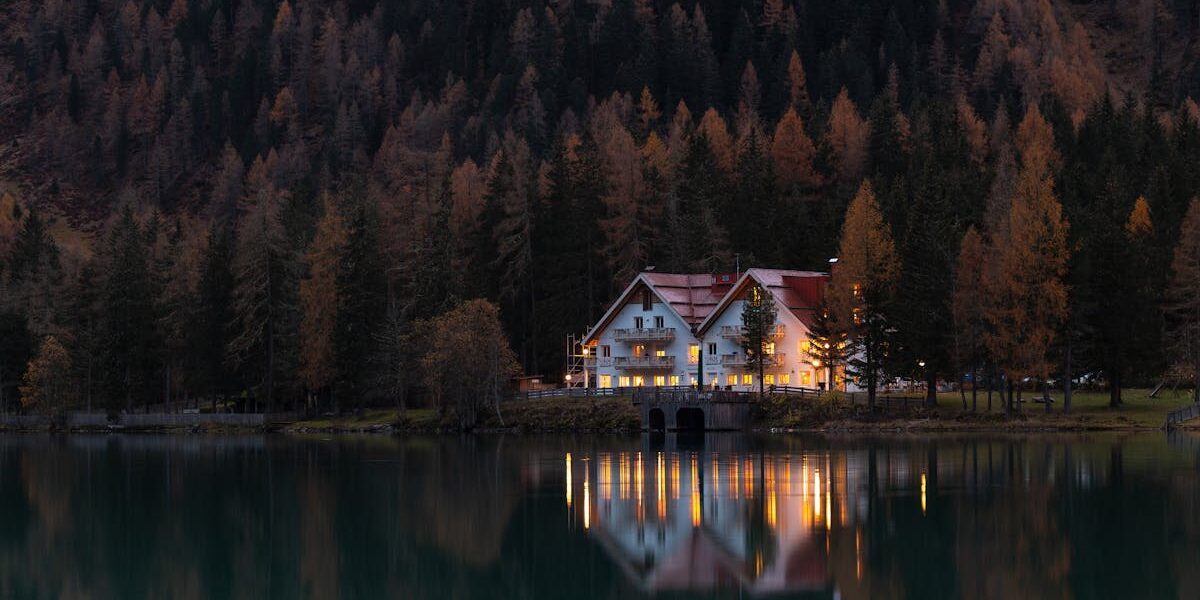
Roof construction isn’t the sexiest topic in cabin building, but I’d argue it’s the most important one. Your roof is doing more work than any other part of the structure — managing snow loads, ventilating moisture, insulating against heat loss, and frankly defining the whole look of the place. Get it right and you barely think about it. Get it wrong and you’ll think about nothing else.
Traditional Rafter Systems
Classic log cabin roofs use hand-hewn log rafters running from the wall plates up to a ridge beam. And honestly, when those structural members are exposed inside the cabin, they become one of the best features of the whole build. Natural timber overhead, visible grain, the real character of wood on display. It’s stunning.
The catch? It requires skilled craftsmanship. Getting proper pitch, spacing, and connections right with log rafters isn’t something you hand off to a crew that usually builds stick-frame houses. The weight alone demands walls and foundations sized appropriately. This is traditional building at its best, but “traditional” doesn’t mean “simple.”
Truss and Engineered Options
Probably should have led with this section, honestly, because most modern log cabins aren’t using hand-hewn rafters anymore. Manufactured trusses and engineered lumber cut construction time significantly while delivering reliable performance. They span greater distances without needing interior support walls, which opens up floor plan possibilities that traditional rafter systems can’t easily match.
The other big advantage? Engineered roofs can conceal serious insulation within their depth. In extreme climates, that hidden space for thick insulation makes a meaningful difference in comfort and energy bills. You lose some of the visual drama of exposed log rafters, but you gain a roof that performs like a modern building should.
Roof Pitch Considerations
Steeper is better for shedding snow and rain — gravity does the work for you. But steeper also costs more to build and more to maintain, since anyone working up there needs more safety equipment and time. Low-pitched roofs work in mild climates but need extra attention to waterproofing; a nearly flat roof in snow country is just asking for trouble.
Your local building codes will have opinions about minimum pitch based on roofing material and snow load zone. Listen to those codes — they exist because people learned expensive lessons before you. In my experience, something in the 6/12 to 8/12 range works well for most cabin situations. Steep enough to shed weather, manageable enough to build and maintain.
Insulation and Ventilation
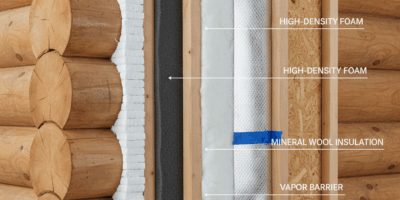
Here’s where the invisible decisions matter most. Roof insulation prevents heat from escaping in winter and baking you in summer. Proper ventilation keeps moisture from building up inside the roof assembly, which is what causes rot and ice dams — both of which are expensive nightmares.
Cathedral ceilings, which most cabin owners want, make this tricky. You need to maintain adequate insulation depth while still providing airflow from eave to ridge. It’s a tight engineering puzzle, and shortcuts here lead to problems that show up two or three winters later. Hire someone who’s done it before. The invisible parts of your roof are arguably more important than the visible ones.

Stay in the loop
Get the latest rustic cabin world updates delivered to your inbox.