Log Home Ideas
Log home design ideas have gotten complicated with all the Houzz boards, builder portfolios, and competing style trends flying around. As someone who designed and built a log home from the ground up and then spent two more years tweaking every detail until it felt right, I learned everything there is to know about what actually makes a log home work — not just look good in photos, but function well for the people living in it. Today, I will share it all with you.
Floor Plans and Layouts
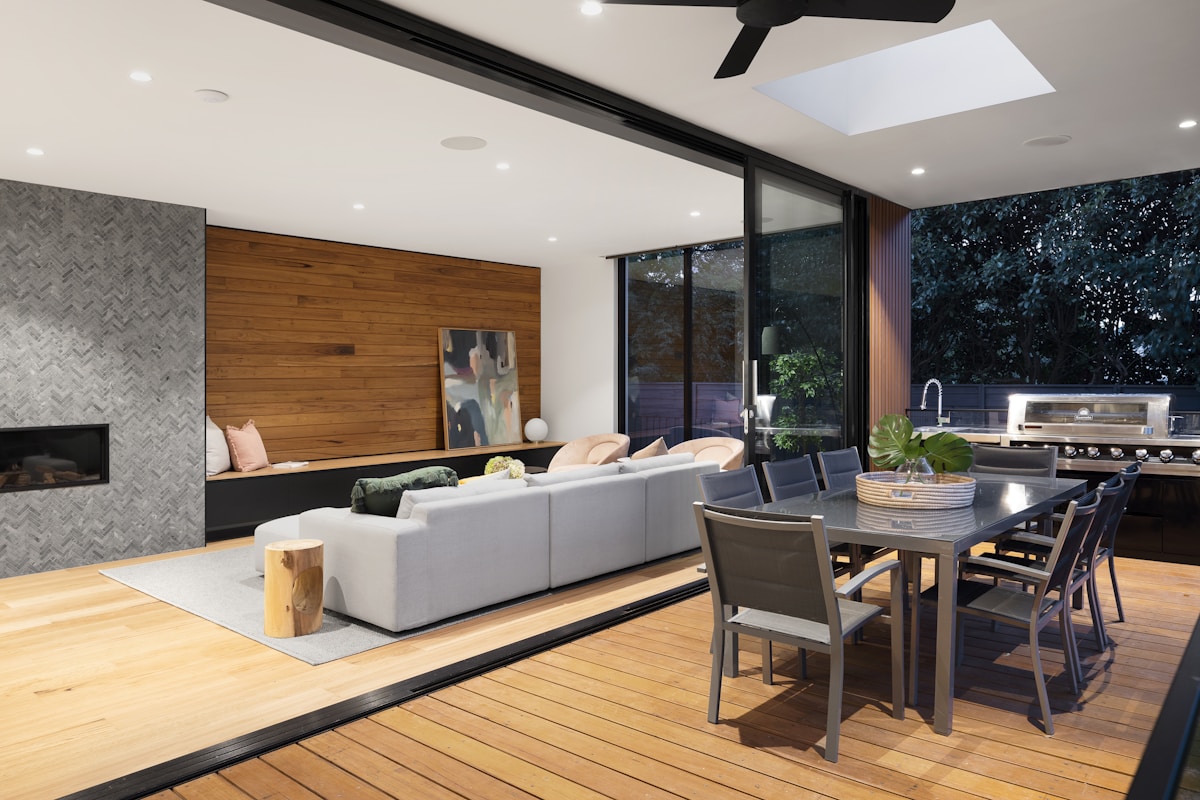
The floor plan is the decision that echoes through every day you spend in the home. Get it right and the house just flows. Get it wrong and you’ll spend years walking past that awkward hallway wishing you’d done it differently.
- Great Room Concept: Living room, dining room, and kitchen all in one expansive space. This is what we did and it’s the best decision of the entire build. The cook isn’t banished to a separate room. Conversations carry across the whole space. Guests spread out naturally. The great room concept works especially well in log homes because the exposed timber overhead ties everything together visually even when the functions are different.
- Loft Spaces: Our loft overlooks the great room and serves as a reading nook and overflow sleeping area. It was barely an afterthought during design and turned into one of the most-used spaces in the house. If your roof pitch allows it, build the loft. You’ll use it.
- Walkout Basements: If your lot has slope, take advantage of it. A walkout basement gives you a whole extra level with its own entrance, natural light, and ground-level access. We use ours as a workshop and guest quarters. The guests love having a private entrance.
- Split Bedrooms: Master on one side, other bedrooms on the opposite side. Privacy for everyone. This layout matters more than you think when you have teenagers or visiting in-laws.
Material Choices
Probably should have led with this section, honestly, because the log species affects the look, the cost, the maintenance schedule, and how long the house lasts.
- Western Red Cedar: The premium choice. Naturally resistant to moisture, insects, and rot. Gorgeous reddish-brown color with distinctive grain. Costs more than pine but the reduced maintenance over decades makes the math work. This is what I’d choose if budget weren’t a factor.
- Douglas Fir: Strong, straight, and excellent for structural beams. A workhorse wood that performs well and looks solid. Common in Pacific Northwest builds where it grows locally.
- Pine: The budget-friendly option and perfectly fine for most builds. I’m apparently a pine person and that lighter tone works for me while the darker cedars, though beautiful, made our living room feel too dim in winter. Pine brightens interior spaces naturally.
- Hemlock: Dimensionally stable, meaning it resists warping and twisting as it dries. Good choice if you’re concerned about settling and movement over the first few years.
Interior Design Elements
The interior is where a log home becomes YOUR log home. The logs provide the backdrop; everything else is personal expression.
- Natural Stone Fireplaces: Non-negotiable in my opinion. A log home without a stone fireplace is missing its soul. Ours uses fieldstone from the property, which means the fireplace literally grew from the same ground as the trees that became the walls. That connection matters, even if it sounds sentimental.
- Exposed Beams: Don’t cover them with drywall. The beams are the best architectural feature in the house. Let them show. Our ridge beam is a single 30-foot white pine timber and everyone who walks in looks up at it first.
- Hardwood Flooring: Wide-plank hickory with a hand-scraped finish in our case. It’s hard enough to handle boot traffic without denting and the grain pattern has character that smoothly milled floors lack. Oak and maple work too.
- Large Windows: Bigger than you think you need. Windows in a log home compete with the visual weight of the timber walls. Small windows get lost. Large picture windows and banks of casements balance the mass of the logs and bring in the light and views that justify the location.
- Antique Fixtures: Old iron hardware, reclaimed light fixtures, a vintage farmhouse sink. These details accumulate a sense of history even in a brand-new build.
Outdoor Living Spaces
- Wraparound Porches: Our porch wraps the south and west sides. South for winter sun and morning coffee, west for evening sunsets and after-dinner sitting. It’s the most used “room” in the house from April through October.
- Decks and Patios: Natural materials only. Stone pavers or wood decking — nothing that screams subdivision. Composite decking is practical but it looks like plastic in a log home context.
- Outdoor Kitchens: Even a basic setup — a built-in grill, a stone counter, and a sink with a garden hose connection — transforms outdoor dining from a chore to an event.
- Fire Pits: Where every evening ends up once the sun goes down. Ours is a simple stone ring about 30 feet from the back porch, surrounded by Adirondack chairs. It cost maybe $200 in materials and provides more entertainment value than anything inside the house.
Energy Efficiency
That’s what makes energy efficiency endearing to us log home owners — it’s not about being trendy, it’s about not going broke heating a house in January.
- Log Insulation: Solid logs provide R-1.25 per inch. An 8-inch wall is about R-10, which isn’t great by modern code standards but the thermal mass effect — logs absorb heat during the day and release it at night — provides comfort beyond what the R-value suggests.
- Energy-efficient Windows: Double-pane minimum, triple-pane if you can afford it. Low-E coatings and argon gas fill make a real difference in heating bills. Our window upgrade from double to triple-pane cost $4,000 more and pays for itself in about seven years of heating savings.
- Roof Insulation: Spray foam under the roof deck is the single biggest efficiency upgrade. Closed-cell foam at R-6.5 per inch stops air infiltration and moisture transfer. Worth every penny.
- Solar Panels: Our roof faces south at a 7/12 pitch, which is nearly ideal for solar in our latitude. We added panels three years after the build and they offset about 60 percent of our annual electricity. The inverter is in the crawl space, out of sight.
Maintenance Tips
- Regular Inspections: Walk the perimeter twice a year — spring and fall. Look for checking (cracks in the logs), gaps in chinking, insect damage (carpenter bees leave perfectly round holes), and any areas where water might be pooling against the logs.
- Seal and Stain: Exterior stain every three to five years. The south and west walls fade first because they get the most sun. Use a stain with UV blockers and apply it on a cloudy day so it doesn’t dry too fast.
- Gutter Maintenance: Clean gutters in fall and spring. Clogged gutters overflow and dump water against the base logs, which is how rot starts at the sill level.
- Pest Control: Carpenter bees are the most common pest. They bore into the log surface to lay eggs. Fill the holes with caulk after they emerge and treat the exterior with a residual insecticide in spring. Consistency is key — skip a year and they establish.
Personal Touches
The details that make a log home yours can’t be bought in one shopping trip. They accumulate.
- Custom Carvings: A friend carved a bear into the end of our porch post. It wasn’t planned, it just happened one weekend. It’s the detail visitors comment on most.
- Family Heirlooms: Grandma’s rocking chair next to the fireplace. An old cast iron skillet that’s been in the family for three generations hanging on the kitchen wall. These objects carry more weight than any designer purchase.
- Handcrafted Furniture: A local woodworker made our dining table from a walnut slab. It seats eight, weighs about 300 pounds, and will outlast the house. Every scratch and ring stain it accumulates is a memory from a meal shared with people we care about.
Recommended Cabin Decor
HomeRustique Wooden Cabin Decor Set – $39.99
Rustic woodland wall decor with bear, deer and moose designs.
The Log Cabin Book: Complete Builder’s Guide – $13.68
Classic guide to building small homes and shelters.
As an Amazon Associate, we earn from qualifying purchases.


Stay in the loop
Get the latest rustic cabin world updates delivered to your inbox.