
Window placement in a log cabin has gotten complicated with all the energy modeling and design magazine advice flying around. As someone who got it partly wrong on the first build and had to live with the consequences for three years, I learned everything there is to know about where glass goes in a log home — and more importantly, where it shouldn’t.
View Framing Principles
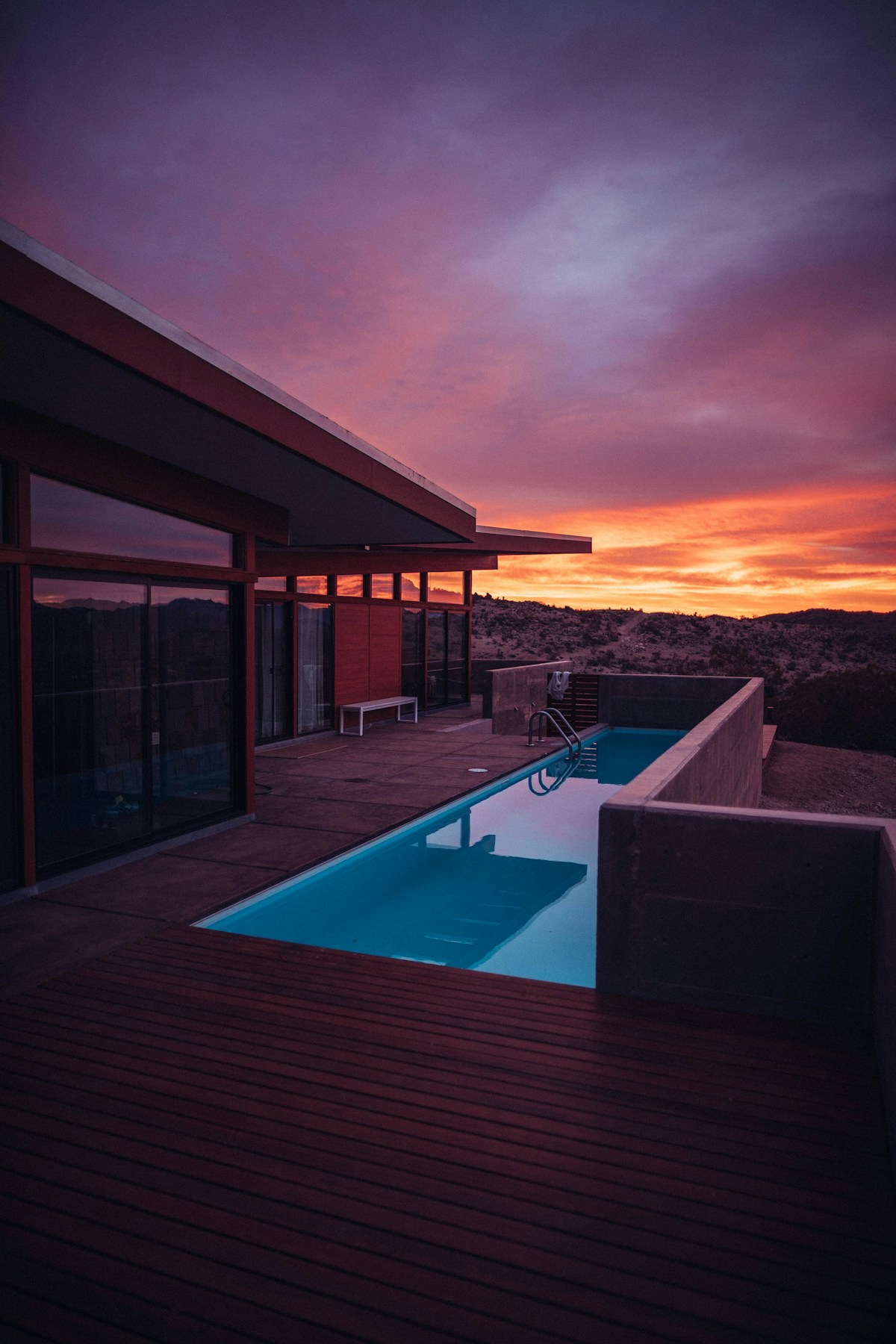
Most cabin sites have at least one killer view — a mountain ridge, a lake, a stretch of forest that changes with the seasons. The temptation is to throw up the biggest window you can afford and call it done. But honestly, thoughtful sizing matters more than sheer square footage of glass. A big panoramic window works for a sweeping vista. A smaller, well-placed opening works better for framing something specific — a garden path, a stand of birch trees, that one perfect angle on the water.
We put a large window facing the ridge and a smaller one in the kitchen that perfectly frames a single old oak. Guess which one gets more comments from visitors? The little one. Every time.
Natural Light Optimization
Here’s something I didn’t fully appreciate until we were living in the cabin: log walls eat light. Dark wood, textured surfaces, none of the reflective qualities you get with drywall — all of that means window placement matters way more than in conventional construction.
South-facing windows are your friend in winter, pulling in solar gain that actually helps heat the place. But you’ll need a plan for summer, or those same windows turn your living room into a greenhouse. East windows bring in gorgeous morning light. West windows? Tread carefully — afternoon sun through west-facing glass can make a room uncomfortably hot. Also worth noting: log walls are thick, which creates deep sills. That depth affects how light angles into the room. It’s a different calculation than standard framing.
Structural Considerations
Probably should have led with this section, honestly, because it’s the one that catches people off guard. Logs settle. Period. Over time, the wall height decreases as logs compress under their own weight, and your window installations need to accommodate that movement. Proper headers and allowance gaps prevent cracking and binding. Skip this step, and you end up with windows that won’t open or — worse — cracked glass.
Window rough openings in log construction are genuinely different from conventional framing. You need an installer who understands this. I’ve heard too many stories of general contractors treating log walls like stick-frame walls and creating problems that cost thousands to fix.
Energy Efficiency Balance
More glass means more views but also more heat transfer. That’s just physics, and no amount of wishful thinking changes it. High-performance windows help — triple-pane, low-E coatings, the whole package — but placement strategy matters just as much as the glass spec.
Keep north-facing glass to a minimum unless you enjoy watching your heating bill climb. Put operable windows where they’ll catch cross-breezes in summer to cut down on cooling costs. In my experience, the sweet spot is about 15-20% of your wall area in glass — enough to feel connected to the outdoors without turning the cabin into a terrarium. Get an energy modeler involved if your budget allows it. The few hundred dollars they charge saves thousands in heating costs over the years.


Stay in the loop
Get the latest rustic cabin world updates delivered to your inbox.