Log Home Pictures
Log home photos have changed quite a bit thanks to the professional staging, drone photography, and filtered Instagram posts flying around. As someone who has taken hundreds of photos of log homes over the years — some gorgeous showcase properties, some barely standing historical cabins, and one that was my own build during every messy stage of construction — I spent months getting comfortable with what log home pictures actually tell you versus what they hide. Today, I will share it all with you.
Exterior Design
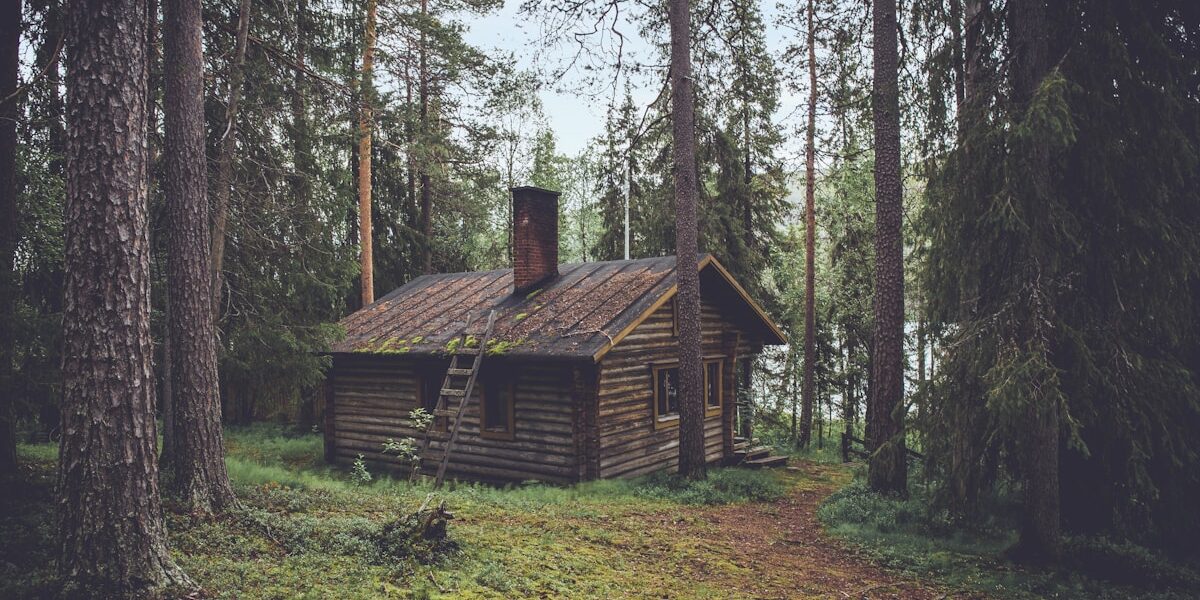
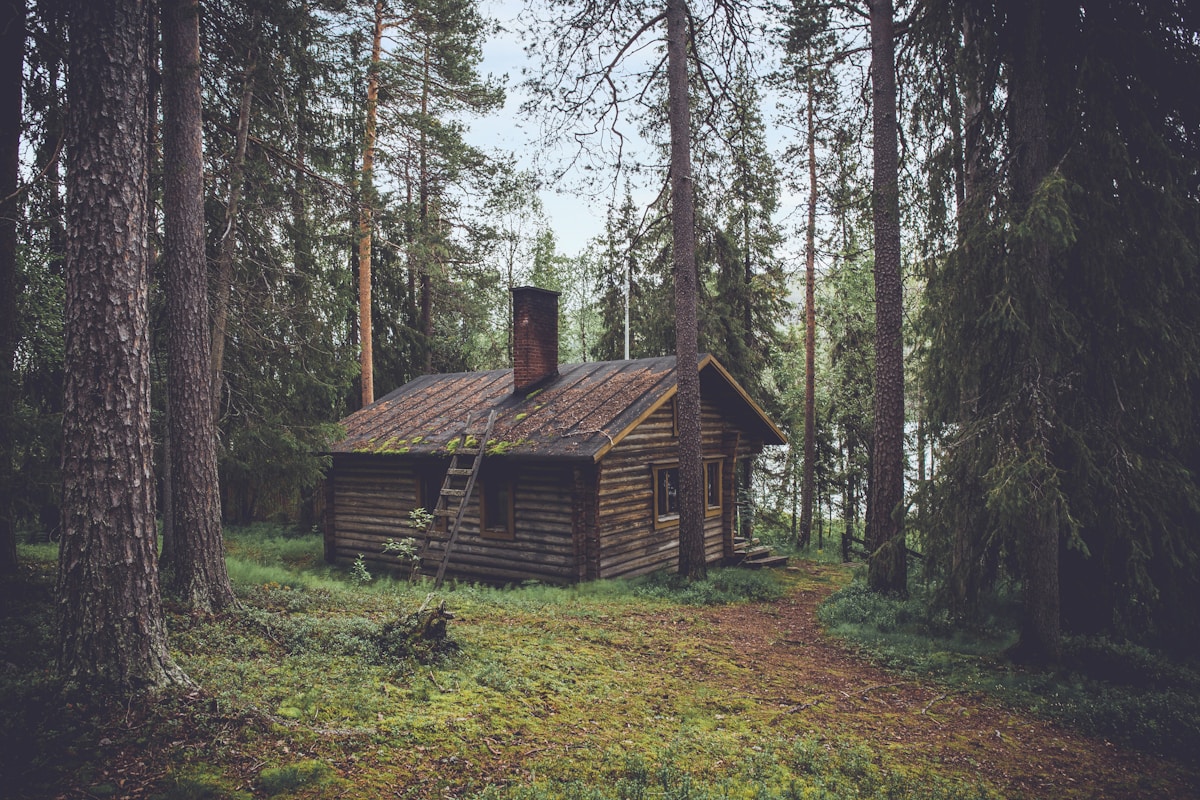
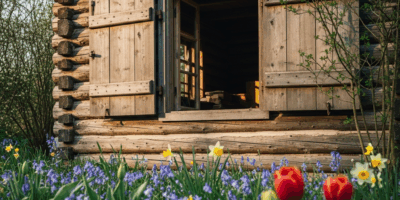
The exterior of a log home is the first thing the camera captures and the first thing that draws people in. The logs themselves tell a story before you read a word. Some are dark and weathered, silver-gray from decades of sun exposure, with deep checks and cracks that look like character lines on an old face. Others are freshly stained to a warm amber or honey tone, with clean chinking lines between each course. I’m apparently a weathered-log person and that silver patina works for me while freshly stained logs never quite look settled enough — like a new pair of boots that haven’t been broken in yet.
Landscaping in log home photos tends toward the natural. Stone pathways rather than poured concrete, native plants rather than manicured hedges, and a general sense that the house grew out of the ground rather than was dropped on it. The best log home photos show the building in context — surrounded by trees, backed by mountains, reflected in a lake. That context is half the appeal.
Interior Design
Step inside and the warmth hits you in photos just like it does in person. Wooden beams overhead, vaulted ceilings that draw your eyes up, and the golden glow of log walls catching light from big windows. The open floor plan that shows up in almost every log home photo exists for practical reasons — small cabins need the visual space, and larger ones benefit from the connected flow between kitchen, dining, and living areas.
Probably should have led with this, honestly: interior log home photos split into two camps. There’s the rustic maximalist approach — stone fireplace, leather furniture, antler chandeliers, taxidermy on the walls, plaid everything. Then there’s the modern minimalist approach — clean-lined furniture, white textiles against natural wood, carefully curated objects. Both work. The photos that look best are the ones where the owner committed to one direction instead of splitting the difference.
Kitchen
Log home kitchens are where the photography really shines because the combination of natural wood, stone, and warm lighting is inherently photogenic. Custom cabinetry with wooden handles, granite or butcher-block countertops, and that warm glow of under-cabinet lighting hitting the wood grain — it all photographs beautifully. Our kitchen has knotty alder cabinets that the builder stained to match the wall logs, and every photo of that room looks like it belongs in a magazine, even when there are dirty dishes in the sink just out of frame.
Living Room
The living room is the hero shot in every log home photo gallery. Stone fireplace rising from floor to ceiling, a timber mantel holding a few carefully chosen objects, and seating arranged to face both the fire and the windows. Large windows are the secret ingredient — they let natural light pour in and frame whatever’s outside, whether that’s mountains, forest, or a lake. The best living room photos are taken in late afternoon when the golden light hits the logs and everything looks like it’s glowing from within.
Bedrooms
Log home bedrooms in photos always look like the coziest places on earth, and honestly, they are. Exposed beams overhead, a log bed frame that looks like it weighs more than the mattress, and layered bedding — a quilt, a wool blanket, flannel sheets. The wood grain on the walls adds texture and warmth that painted drywall just can’t replicate. Rugs on hardwood floors, curtains in earthy tones, and a reading lamp on the nightstand complete the picture. These rooms photograph well because they ARE well-designed — the materials do the decorating work.
Bathrooms
Bathrooms are where log homes get creative. Stone vessel sinks, copper faucets, vanities made from reclaimed timber, and natural stone tile on the floors. Walk-in showers with glass doors and rain showerheads provide the modern touch. The best bathroom photos show how natural materials can make even a functional space feel intentional and beautiful. A window in the bathroom matters more than people think — it prevents the space from feeling dark and adds a connection to the outdoors that tile and fixtures alone can’t achieve.
Outdoor Spaces
Porches, decks, and outdoor living areas get as much camera time as the interior. Log railings, wooden furniture, stone fire pits, and outdoor dining setups all photograph beautifully against a natural backdrop. The best outdoor photos show these spaces being used — chairs pulled up to a fire, a table set for dinner, a grill smoking away. Empty outdoor furniture looks staged. Used outdoor furniture looks like someone actually lives here. That’s what makes log home outdoor photos endearing to us cabin lovers — they suggest a life being lived, not a set being decorated.
Seasonal Views
The same log home transforms completely through the seasons, and photographers know it. Winter photos with snow on the roof, icicles on the eaves, and warm light glowing through windows hit different than summer photos with green trees and open windows. Fall brings the colors — red and orange foliage framing a brown log home is almost unfairly photogenic. Spring shows the cabin emerging from winter, surrounded by wildflowers and new growth. If you’re serious about choosing or building a log home, look at photos from every season. The place has to work year-round, not just in October.
Architectural Styles
Log homes come in more styles than most people realize. Traditional full-log construction with saddle-notch corners. A-frame log homes with dramatic rooflines. Contemporary designs mixing logs with glass and steel. Timber frame homes that use massive post-and-beam construction with log infill. Each style photographs differently and appeals to different sensibilities. The photos help you figure out which style speaks to you before you commit to a design direction.
Construction Documentation
Some of the most valuable log home photos aren’t the pretty finished shots — they’re the construction photos. Images of logs being stacked, notch joints being cut, ridge beams being lifted into place with a crane. These photos show the craftsmanship and effort behind the finished product. We documented every stage of our build and those construction photos are honestly my favorites. They show the cabin becoming itself, one log at a time.
Energy Efficiency
Modern log home photos increasingly feature solar panels, triple-pane windows, and other efficiency upgrades. These elements are harder to photograph dramatically but they matter enormously. Thick log walls, proper chinking, and energy-efficient windows show up in photos as clean details — tight seams, clear glass, consistent stain coverage. The efficiency isn’t the subject of the photo, but it’s visible in the quality of the construction.
Historic Log Homes
Photos of historic log homes — some over 200 years old — offer a connection to the past that no new build can replicate. Hand-hewn logs with visible axe marks, massive stone chimneys, and doors hung on hand-forged iron hinges. These structures have survived centuries of weather, use, and neglect, and the photos capture both their age and their resilience. Restoration before-and-after photos are particularly striking, showing how skilled craftspeople can bring a decaying structure back to structural soundness while preserving its historical character.
Finding Inspiration
Log home photos are the starting point for most people’s cabin journey. They show you what’s possible, help you identify your preferences, and give you concrete examples to share with a builder or architect. Save the ones that speak to you — not just the ones that look impressive, but the ones that make you think “I could live there.” That gut reaction is worth more than any floor plan measurement. The photos that stick with you are telling you something about the home you actually want to build.

Stay in the loop
Get the latest rustic cabin world updates delivered to your inbox.