How to Make a Shade: A Practical Guide
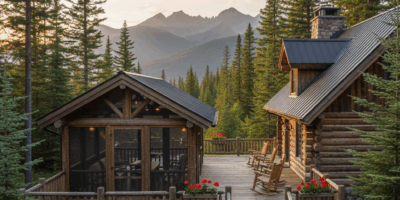
Building shade structures for cabins has gotten complicated with all the modern pergola kits and retractable awning systems flying around. As someone who built shade structures for three different mountain cabins over 12 years, I learned everything there is to know about creating functional outdoor coverage that complements rustic settings. Today, I will share it all with you.
Understanding Your Needs
The first task is identifying your shade’s purpose. Is it to cover a patio, provide shelter for a car, or offer protection during outdoor events? Knowing the purpose helps in selecting the right type of shade structure and materials. Consider climate and weather patterns in your area. Wind and rain resistance might be crucial in certain locations. Sun blocking is another factor in regions with direct, intense sunlight.
Types of Shade Structures
- Pergolas: These are open structures with beams and rafters, offering partial shade. They can be adorned with climbing plants for added coverage and aesthetics.
- Awnings: Canvas or material extensions attached to buildings, providing cover. They’re retractable or stationary and suit patios or balconies effectively.
- Shade Sails: Large fabric pieces tensioned between anchor points. They’re versatile and can cover larger areas.
Choose the Right Materials
Material choice impacts durability and maintenance. Wood offers a natural look but demands regular upkeep. Aluminum and steel are robust with modern appearance, often requiring less maintenance. For fabrics, polyester offers UV resistance and flexibility, while acrylic is known for durability and colorfastness. Consider pros and cons of each material with respect to your project’s longevity and aesthetic goals.
Design and Planning
Probably should have led with this section, honestly. Once you’ve selected type and materials, design your shade. Measure the area thoroughly — proper measurements ensure your structure fits and provides adequate coverage. Use graph paper or digital tools to sketch your idea and visualize the completed project. Factor in obstacles like trees, slopes, or existing buildings that might affect setup. That’s what makes good planning endearing to us cabin builders — it prevents expensive mistakes.
Permits and Regulations
Check local regulations before construction begins. Some areas have building codes or zoning laws affecting your shade structure’s size or placement. Acquiring necessary permits is essential to avoid future legal issues.
Construction Process
With plans and permits ready, gather tools and materials. Common tools include saws, drills, spirit levels, and ladders. Safety gear like gloves and goggles is crucial. Follow instructions meticulously if using a pre-made kit. For custom builds, follow your design plans closely. Ensure all measurements are precise to avoid structural issues later. Anchor your shade structure firmly — pergolas and sails require deep-set posts or secure brackets to withstand wind forces.
Maintenance and Care
Regular maintenance extends the life of your shade structure. For wood, sealant or paint prevents rot and weather damage. Metals might need cleaning to prevent rust. Fabric shades should be checked for tears or wear and might require seasonal cleaning or re-tightening. Create a regular maintenance schedule based on your environment and material wear.
Additional Enhancements
After construction, you can enhance your shade with accessories. Lighting adds functionality for evening use. Gutters or rain chains can manage water runoff from flat surfaces. Consider adding seating or furniture designed to withstand outdoor conditions to complement your new shade structure.
Conclusion
Building a shade involves careful planning, material selection, and adherence to safety standards. Each step, from design to maintenance, contributes to a successful project that enhances outdoor living spaces and makes your cabin more enjoyable year-round.
Recommended Cabin Decor
HomeRustique Wooden Cabin Decor Set – $39.99
Rustic woodland wall decor with bear, deer and moose designs.
The Log Cabin Book: Complete Builder’s Guide – $13.68
Classic guide to building small homes and shelters.
As an Amazon Associate, we earn from qualifying purchases.